Warehouse Landlords Have the Roofs, the Yards and No Charging
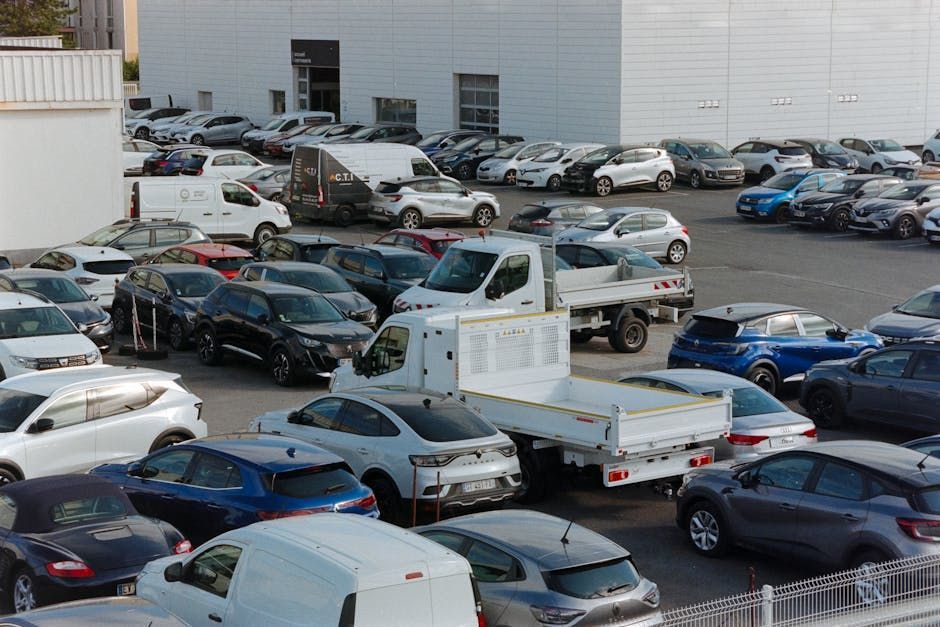
So here is a sector that almost nobody talks about in the EV conversation, and yet it owns the single biggest pile of underused tarmac in the country. The big logistics landlords. Segro, Tritax Big Box, Prologis, LondonMetric, GLP, the lot. Between them they own tens of millions of square feet of warehousing across the UK, and attached to every single one of those sheds is a yard, a service road, a staff car park and usually a trailer park that sits in the open air doing very little overnight. It is the perfect estate for EV charging. So why is almost none of it electrified?
The lease structure was written for a world that no longer exists
The typical big-shed lease is a 15 or 20 year FRI arrangement where the tenant takes the building, pays the rent, and is responsible for everything inside the demise. The landlord owns the structure, the roof, the estate roads and very often the substation. The tenant pays the energy bill. Nobody contracted to install £400,000 worth of EV infrastructure because in 2015 nobody needed to.
Now the tenant has gone and bought 40 electric Mercedes eSprinters, a couple of Volvo FH Electric tractor units, and the fleet manager is standing in the yard wondering where the kit goes. He rings the landlord. The landlord rings the asset manager. The asset manager rings the lawyers. Six months later there is a draft side letter, a quote for grid reinforcement that nobody wants to pay, and the eSprinters are still being charged on a single tethered 22kW post that an electrician bolted to the wall as a favour.
Here is the thing. The grid does not care about your lease structure. The DNO is not interested in who pays. And the tenant who is paying £2 million a year in rent is starting to ask why the landlord cannot get its act together. This is a problem that nobody planned for and almost everybody now has.
The capex argument the landlord always loses
The reason logistics landlords have not deployed at scale is the same reason supermarkets have not, and the same reason councils have not. The capex is enormous, the grid timeline is two to four years, and the asset sits on a yard that the landlord does not really want to be operating. REITs are not in the energy business. They are in the rent business. A £600,000 grid upgrade for a single site that will not be re-rated for another seven years does not make the investment committee very happy.
And yet the tenant pressure is only going one way. Amazon is electrifying its last mile fleet. DPD already has thousands of electric vans on the road. Royal Mail is buying eSprinters by the lorryload. If you are a logistics landlord and your competitor up the M1 has solved this problem and you have not, your re-letting numbers are going to start sliding within 18 months.
Where PowerMe actually fits the warehouse estate
This is exactly the gap our FreeMe containerised platform was built to fill. A FreeMe 20ft unit drops onto a corner of the yard, no ground works, no trenching across the demise, no DNO application that takes two and a half years. 1MWh of LTO and LFP storage on board, four charging heads, and the tenant can be plugging in electric vans by the end of the week.
For larger logistics campuses where you have multiple tenants sharing the estate roads, a 40ft FreeMe at 3MWh starts to look like an estate amenity in its own right. The landlord owns the asset, the tenants pay per kWh, the revenue funds the asset and the lease question never has to be reopened. For the tighter service yards where space is tight, TitanMe Max in cube form sits on a euro pallet footprint and gives you 200kW DC where the eHGVs actually come and go.
And here is the bit that usually makes the asset manager sit up. The whole thing can be done on Energy as a Service. PowerMe funds the kit, deploys the kit, operates the kit, and the landlord takes a share of the revenue for providing the site. No capex, no grid wait, no operational headache. The shed earns rent, the yard earns revenue, the tenant gets the charging they were asking for, and the lease lawyers never have to get involved.
Why this matters for the next rent review
Charging is going to become a covenant question. It already is for some of the big institutional tenants. If the landlord cannot demonstrate a credible electrification plan, the tenant will go and find a shed where the landlord can. That is not a 2030 problem. That is a 2027 problem and it is being negotiated in lease renewals right now.
The logistics landlords that get ahead of this will be the ones quietly retrofitting yards across their estate, offering charging as part of the service charge, and writing it into new lettings as a standard amenity. The ones that do not will be the ones explaining to their tenants why the building is being mothballed and the fleet is moving to the competitor's park three junctions down.
It is not a complicated problem. It just needs somebody to stop treating EV infrastructure like a bespoke construction project and start treating it like a piece of kit that drops onto a yard. Which, funnily enough, is what we do.
Get in touch: info@powerme.energy / +44 20 8050 8198 / www.powerme.energy