

Welcome to Charge Freedom

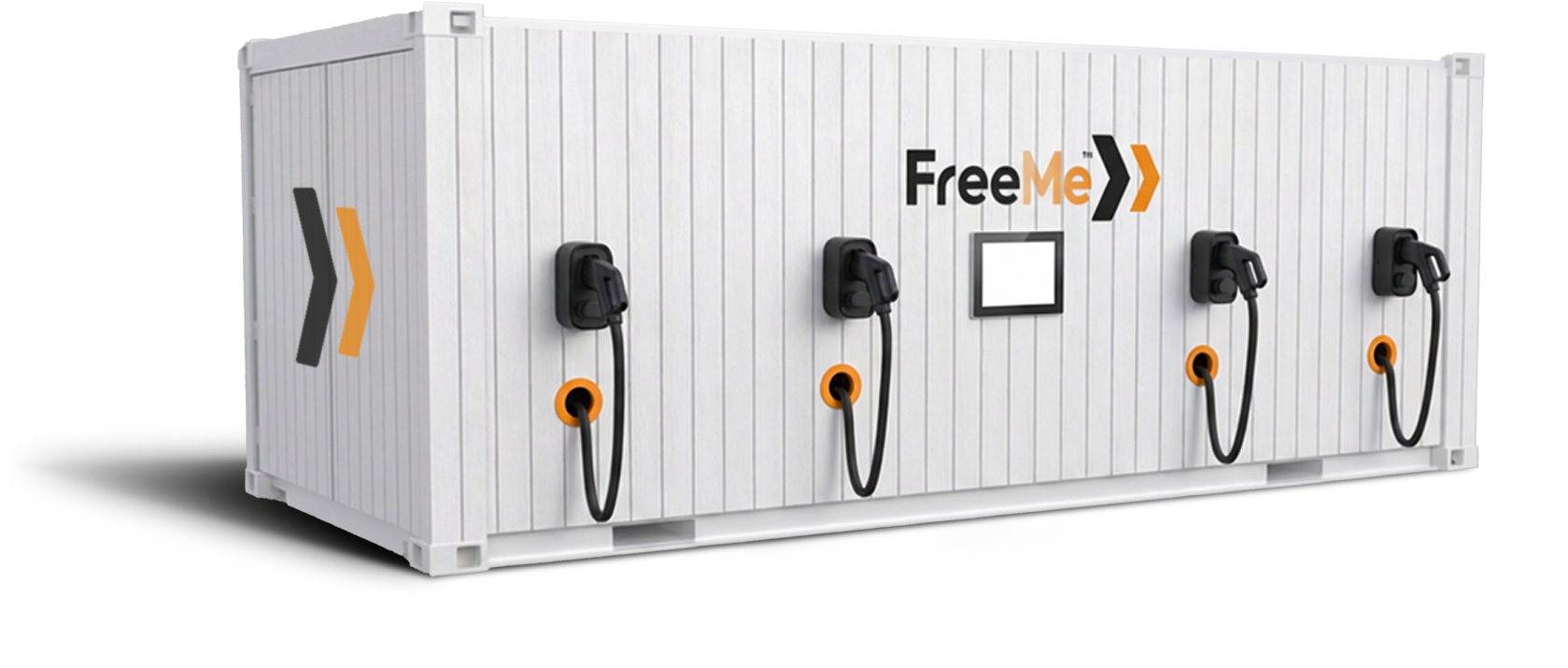
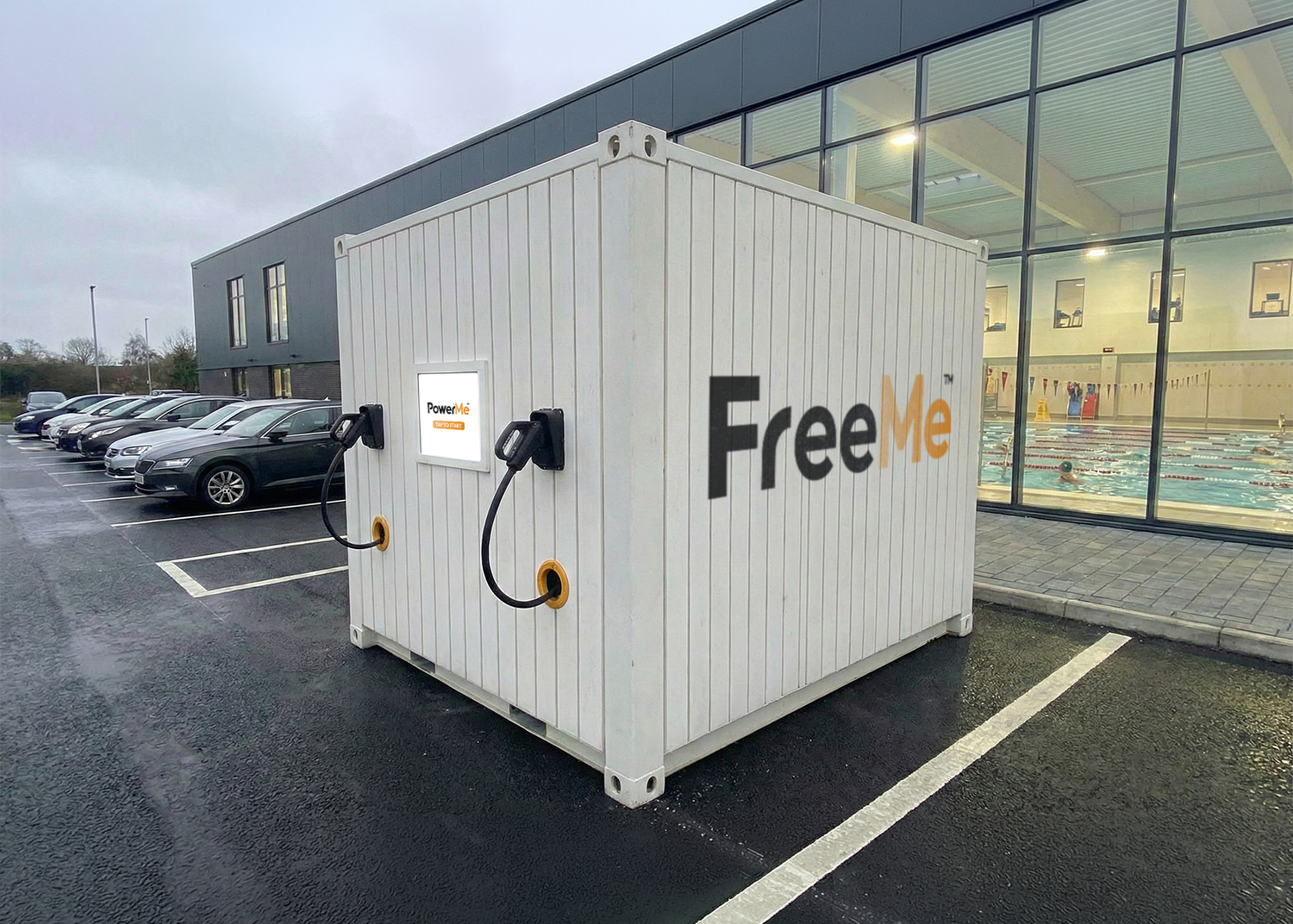
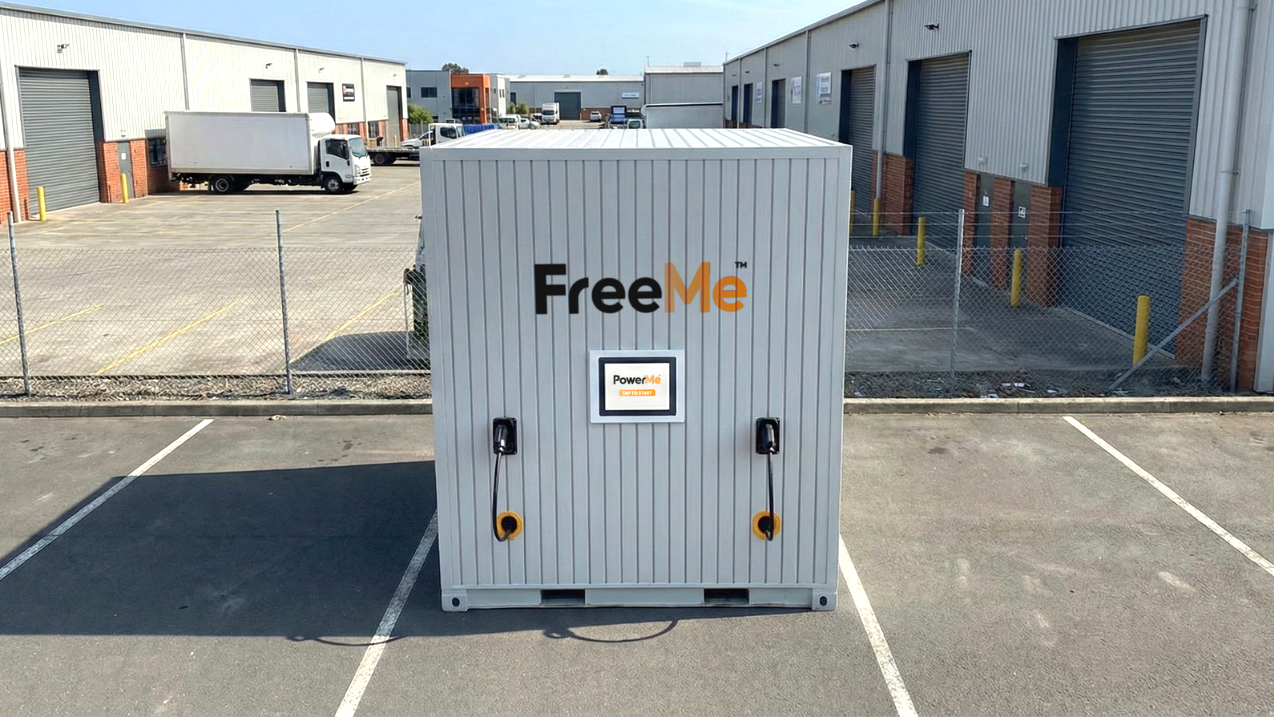
Groundwork Free and perfect for locations with constrained grids, FreeMe does not require any planning permission. This means that you can have it installed on the same day, without any delays or additional paperwork. And with ultra-rapid speeds, FreeMe ensures that you have the fastest connection possible to get you back on the road.
FreeMe 0.1 - 150
Our base model FreeMe 0.1




FreeMe 0.1 - 350
Compact charging unit without compromise

FreeMe 0.1 - 600+
Our base model FreeMe 0.1
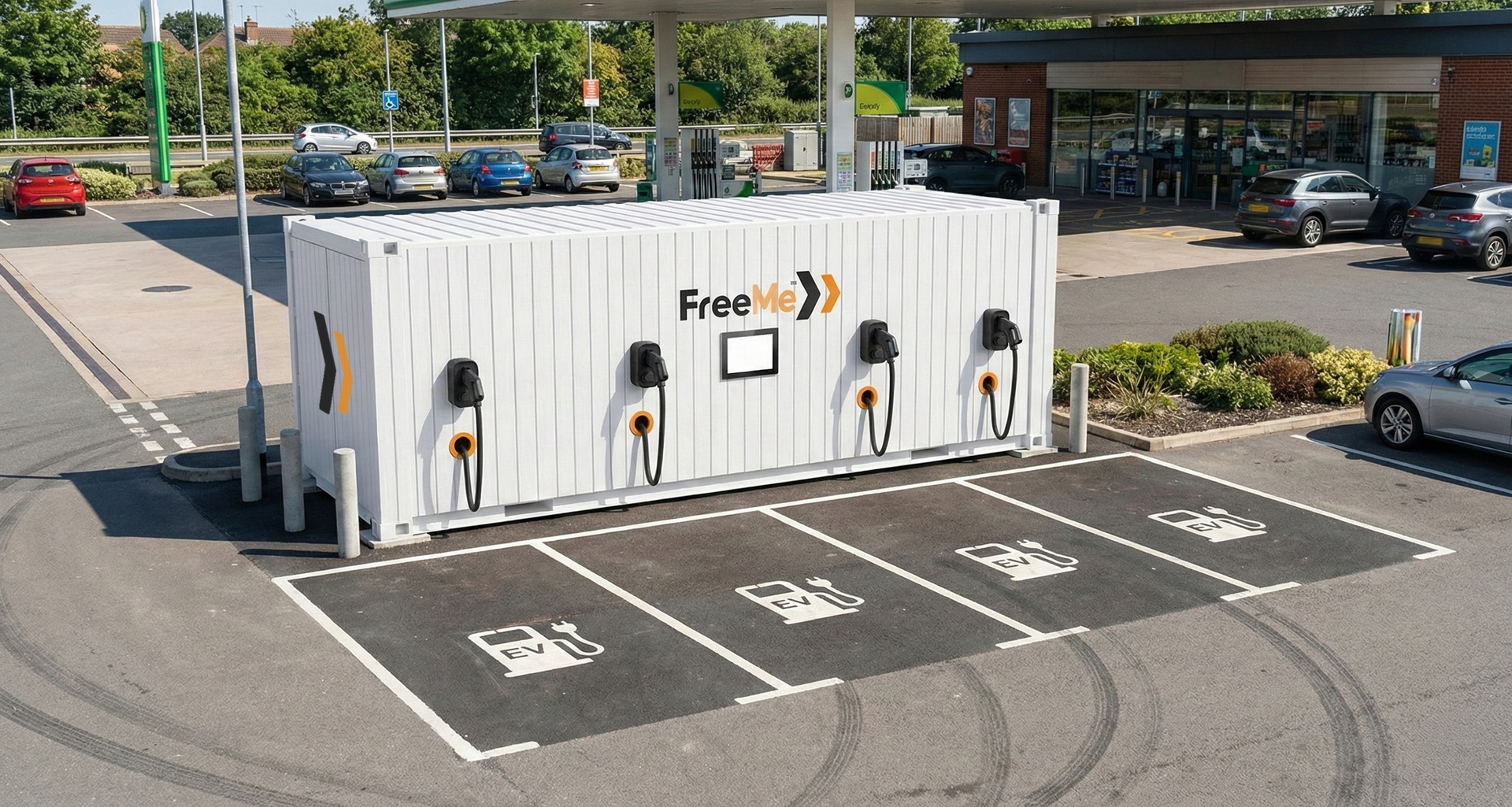
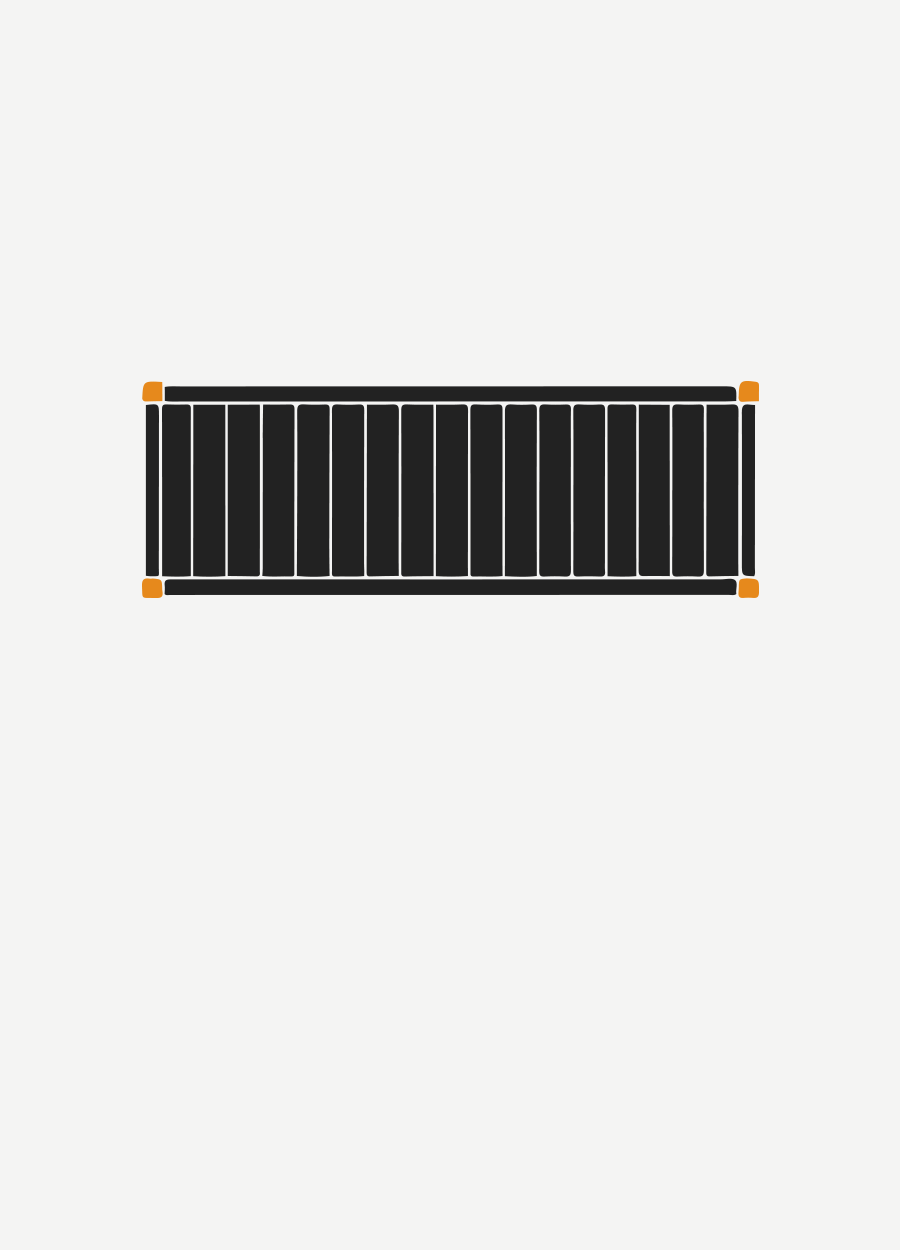

On Average, Installing FreeMe 0.1 Saves £200,000 Per Installation*.
*Compared to installing 4 Ground Mount Ultra rapid EV chargers at 50K each excluding the charger.
FreeMe 0.1 FAQ
Containerised charging infrastructure for grid constrained sites.
What sizes of FreeMe container are available?
FreeMe is available in standard ISO container footprints from 8ft through to 40ft, delivering charging output from 100kW up to 3MW depending on configuration. The modular design means you can start with a smaller unit and scale as demand grows. Each container is a self contained charging hub with integrated battery storage, power management and OCPP 2.0.1 compliant charge points.
Does FreeMe require ground works or grid upgrades?
No. That is the entire point. FreeMe containers are delivered to site and can be operational within hours. There are no trenches to dig, no grid connection applications, no DNO wayleaves and no civil engineering costs. The integrated battery buffer means the unit draws power slowly from whatever supply is available and delivers it rapidly to vehicles. This typically halves installation costs compared to traditional fixed charging infrastructure.
What is the battery configuration in a FreeMe unit?
FreeMe uses a hybrid architecture combining LTO (Lithium Titanate) cells for peak demand cycling with LFP (Lithium Iron Phosphate) cells for bulk energy storage. The LTO component handles the high power bursts when vehicles are charging at maximum rate while the LFP provides the deep energy reserve. Every cell is monitored and managed individually by our AI platform, optimising temperature, charge state and cycle distribution to maximise the 10 year warranted life of the system.
What sites are suitable for FreeMe?
Any site with vehicle parking and a basic power supply. Retail parks, supermarkets, transport hubs, railway station car parks, fleet depots, hotel car parks, leisure centres, universities and local authority sites are all ideal candidates. FreeMe is particularly valuable where the existing grid supply cannot support traditional rapid chargers or where the cost and timeline of grid upgrades would make the project unviable.
Can FreeMe be relocated if my needs change?
Yes. Because there are no permanent ground works or fixed grid connections, a FreeMe container can be lifted and moved to a new location. This is a significant advantage over traditional infrastructure where you are committed to a site regardless of whether demand materialises. On a leasing arrangement, relocation can be managed as part of the ongoing service.
How does the Energy as a Service model work with FreeMe?
Under our Energy as a Service model, PowerMe funds, deploys and operates the FreeMe infrastructure on your site at zero capital cost to you. You provide the location and we handle everything else including the hardware, installation, energy supply, maintenance and customer billing. You receive a revenue share from every charging session. It is a genuinely hands off proposition for site owners who want to offer EV charging without the risk, cost or operational complexity of doing it themselves.
Does FreeMe require planning permission?
In most cases no. EV charging infrastructure benefits from permitted development rights in England and Wales. However, specific site conditions, conservation areas or listed building proximity may require additional consideration. PowerMe provides a full site assessment as part of the deployment process and will advise if any permissions are needed before proceeding.
