Tier One Sites Are Banning Diesel. The Compound Plan Says What?
So a tier one contractor signs a flashy net zero commitment, the press release does its rounds, and then the site manager looks at the compound and realises three things at once. The diesel genny still hums away twenty four hours a day. The new electric Volvo loader needs charging by Tuesday. And the DNO connection at the perimeter is twelve months out at best.
This is the daily reality on every major UK build right now. JCB has electric mini excavators in production, Volvo CE has launched the L25 Electric and the EC230, Caterpillar is on the runway, and the kit is already turning up on real sites. Balfour Beatty, Kier, Costain, Sir Robert McAlpine, all of them have public commitments to diesel reduction, and the major schemes from HS2 to Hinkley Point C have it written into the works information. The intent is there. The power is not.
The Genny Bill Nobody Talks About
Look, every site compound in the country runs on diesel. A typical 100kVA stage five genny burns around fifteen litres an hour, which on a twelve hour active day is 180 litres, which at today's white diesel rates is somewhere north of £250 a day, and that is just one machine. Add the welfare unit, the canteen, the tower light hire, the temporary distribution boards, and a midsize project is burning four figures a day before anyone has charged anything.
The funny thing is, all that diesel is producing electricity. You are paying twice. Once for the fuel, once for the engine that converts it. And when an electric digger turns up and needs 80kWh by morning, the operator solution is usually to add another genny.
The Grid Will Not Save You
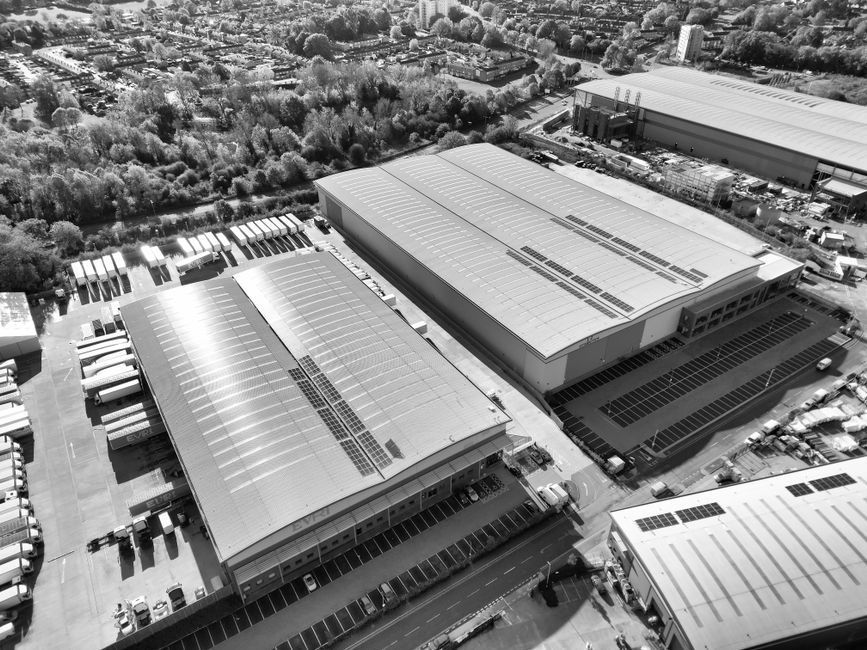
Here is the thing the DNO will not put in writing. A 500kW connection to a remote site, the kind of capacity you need to charge serious plant overnight, is twelve to eighteen months in the queue and the four figures are deep into the six figure range. By the time you have the wayleaves, the cable, the substation and the half hour metering, the project is finished and the kit has moved to the next job.
This is the bit that breaks the net zero plan on paper. Static infrastructure cannot follow a temporary site.
What PowerMe Actually Does About It
So this is exactly the gap PowerMe fills. The FreeMe containerised unit, anywhere from 150kWh up to 3MWh, drops onto a hardstanding compound, plumbs into the site distribution, and charges plant overnight off the LTO and LFP hybrid pack. No trench, no DNO, no eighteen month wait. On a long programme like a station rebuild or a power station civils job, the FreeMe lives on site for the duration on a lease, and when the project ends it lifts off and goes to the next compound.
The TitanMe Max , our 100kWh van mounted rapid at 200kW DC, brings the power to the plant where it sits, which on a linear job like a road scheme or rail corridor means you stop driving the loader two miles back to the compound every time the battery dips. The MobileMe takes care of the site van fleet and the smaller kit, deployed off a recovery style truck wherever the gang is working.
And for the tier one contractors who do not want capex on a temporary site, the Energy as a Service model means PowerMe owns the kit, you pay per kWh dispensed, and the only thing on your books is a usage cost that sits below your old diesel bill.
What Changes Commercially
A few real numbers. Replace a 100kVA genny with a FreeMe on a twelve month site and the diesel saving alone tends to land between £60k and £90k a year, before you count the scope three emissions you can claim against your net zero target. Add the value of being able to plug in electric plant without running three gennies in parallel, and the case writes itself.
The other thing, and this matters when you are bidding work, is that more clients are scoring tenders on embodied carbon and operational carbon. A site that can show zero diesel for plant charging is a tender win. Not a maybe. A win.
So the question on every major build right now is not whether the kit is going electric. It is. The question is whether the compound power plan keeps up, or whether you spend another year burning diesel to charge a digger.
Get in touch: info@powerme.energy / +44 20 8050 8198 / www.powerme.energy