Supermarket Car Parks: Best EV Dwell Times, Worst Charging
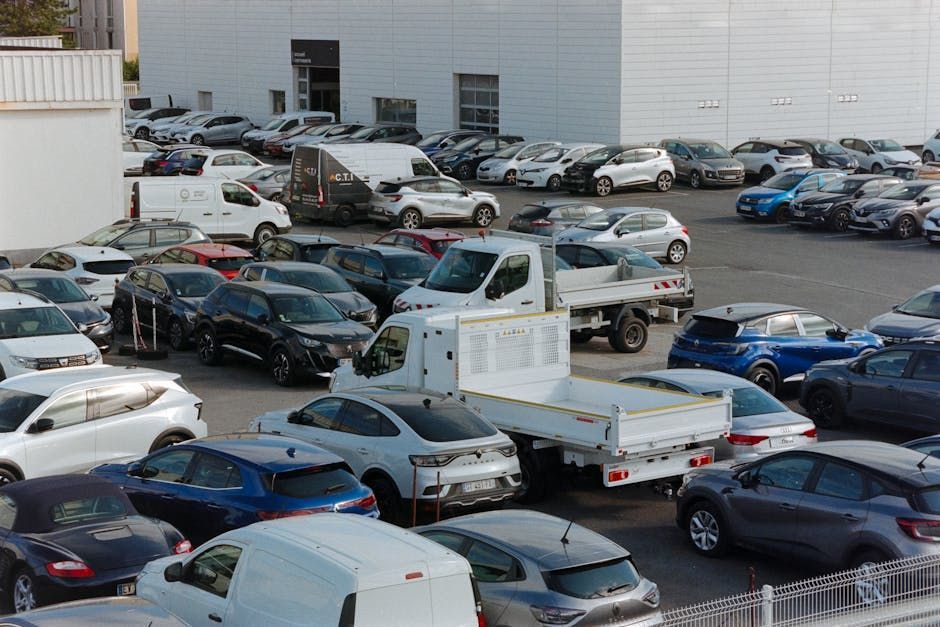
So here is the thing about a supermarket car park. You have already won the hardest battle in EV charging, which is getting somebody to stop. The average British shop runs somewhere between eighty and ninety minutes, depending on whether the kids are with you, whether you forgot the wine and had to double back, whether the person in front in the queue is paying in coppers from a sock. The point is, the car is sat there. The driver is somewhere in the meat aisle thinking about whether to buy the four pack of yoghurts or the six pack. And the car, which is the second most expensive thing they own, is doing absolutely nothing.
That ninety minutes is the perfect EV charging window. At 50kW from a fast charger, that is roughly 60 to 70kWh into the battery. Which is more than half a tank in petrol terms. The maths writes itself.
So why are there still queues of Tesla drivers at the GRIDSERVE off the M4 while three Tescos within five miles have a couple of broken Type 2 posts in the corner that nobody has fixed since 2022?
The grid is the wrong fight to be having
Look, the supermarkets did try. Tesco partnered with Pod Point years ago. Sainsbury's announced Smart Charge with the same fanfare. Morrisons did a deal with GRIDSERVE. Asda, Lidl, Aldi, Waitrose, all of them have a charging strategy sat in a PowerPoint somewhere. The problem is that none of those strategies survive first contact with the local DNO.
A typical superstore in Reading or Stockport or somewhere similar was built in the 1990s with enough power for the freezers, the lighting and an industrial bread oven. Nobody planned for six 150kW rapid chargers sucking down 900kW at five o'clock on a Friday. So when the team finally pulls the trigger and asks for an upgrade, the answer comes back from the DNO. Eighteen months. Two years. Three years for a meaningful site. And if you want the substation moved that is on you and it is half a million quid before you have even bought a charger.
Most supermarket boards look at that and quietly move the charging line item to next year's plan. And the year after that. And the one after that as well.
FreeMe drops in without asking the grid for permission
The PowerMe answer is FreeMe . It is a containerised charging unit, available in 8ft, 10ft, 20ft and 40ft formats with battery capacity from 150kWh up to 3MWh and outputs up to two megawatts. The chemistry is Toshiba SCiB LTO on the peak demand and Lithium Iron Phosphate on the bulk storage, blended through a clever BMS so the LTO soaks the surge and the LFP holds the energy. That hybrid architecture is the engineering basis for the ten year design life.
The thing that matters commercially is what FreeMe does not need. It does not need a trench across the car park. It does not need to wait for the DNO. It does not need to dig up the loading bay, move the trolley return or close half the bays for six months. It sits where a delivery van would sit, plugs into whatever supply the supermarket already has for a slow trickle to keep itself topped up, and serves rapid charges from its own onboard battery buffer. No ground works. No eighteen month wait. No half a million quid bill for a substation that was supposed to belong to UK Power Networks.
If the store gets refitted in three years, the container goes on a lorry and goes somewhere else.
The EaaS maths that turns car parks into revenue
The bit that the supermarket finance director wants to hear is the bit where nobody asks them for capex. PowerMe runs this as Energy as a Service. We fund it, we deploy it, we own it, we operate it. The supermarket provides the parking bays and a share of the supply. In return the supermarket takes a profit share of the energy revenue. Typical structure is somewhere around fifteen percent, no working capital out the door, no balance sheet hit, no team hired to operate plugs they did not want to think about.
For a 24 hour superstore in a town like Swindon or Crawley, even a modest six head FreeMe site at 150kW per head will turn over a serious number on energy if it runs at sensible utilisation. The supermarket sits on its profit share and gets the marketing line about being the easiest charge in town. And the customer who used to drive past on the way to the petrol station starts coming inside for the meal deal while the car charges.
That is the bit nobody models. The basket value goes up. EV drivers spend longer in the shop than the average. They buy more. They come back. The supermarkets that figured this out a decade ago with the petrol forecourt are the ones who will figure it out again with the charger.
The supermarkets that wait for the grid will spend the next five years watching MFG, GRIDSERVE and Applegreen build out the rapid network around them. And the customer will go where the plug works.
Get in touch: info@powerme.energy / +44 20 8050 8198 / www.powerme.energy