Business Parks Have Thousands of Cars. Hardly Any Chargers.
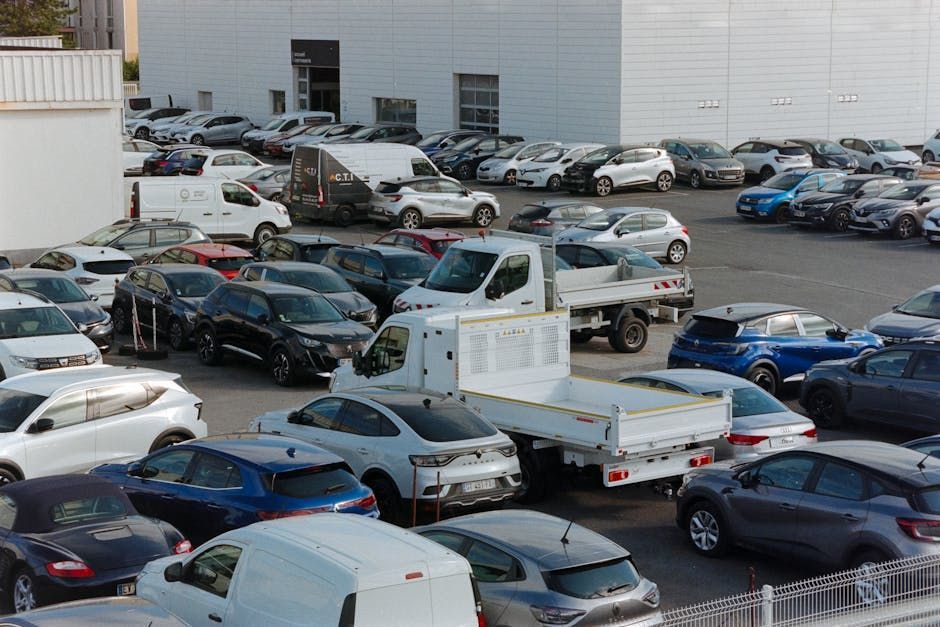
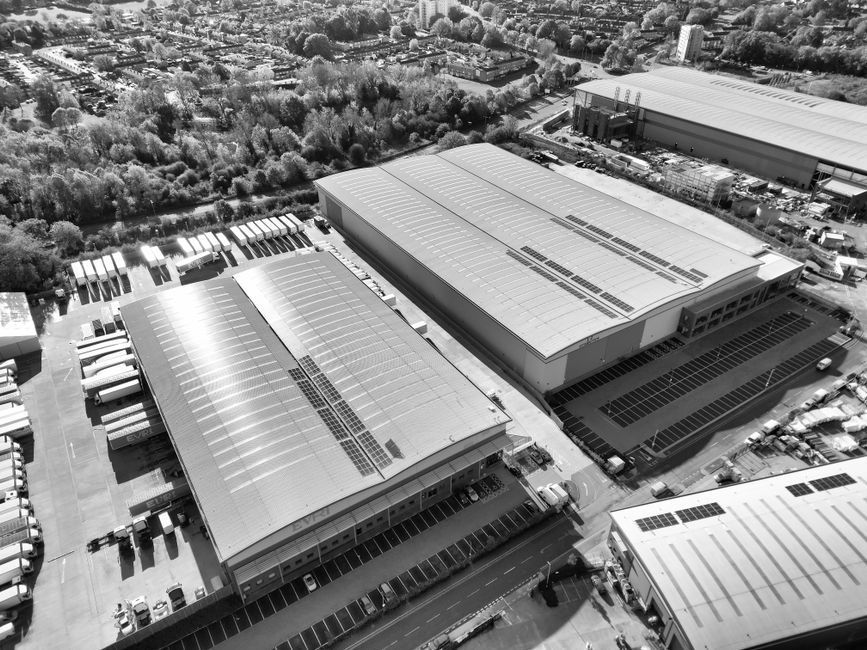
So here is the thing about business parks. Stockley Park, Chiswick Park, Green Park, Cambridge Science Park, MediaCity. Some of the biggest car parks in Britain, sitting alongside some of the best paid workforces in Britain, and almost nowhere to plug in an EV. You can drive a Polestar 4 to your office at Stockley every day for two years and still be hunting for a working charger at lunchtime.
It is one of those things that, when you stand back from it, makes no sense at all. The dwell time is there. Eight to ten hours, five days a week. The footfall is there. Tens of thousands of staff across multi tenant sites. The will is there too, with most large occupiers now writing EV charging into their workplace strategy alongside cycle stores and shower rooms. And yet the chargers are not. Why?
The capex nobody wants to wear
The reason is structural. Business parks are landlord owned, tenant occupied and the car park sits in the gap between the two. The landlord does not want to spend two or three hundred thousand pounds digging trenches across a car park that the tenants might walk away from in five years. The tenants do not want to spend it either, because they do not own the asset and they are not staying long enough to write the capital off against the lease. So everybody waits.
The grid wait helps too, because even when somebody does want to write the cheque, the local DNO will tell them it is eighteen to thirty six months before the cable arrives. Right around the time the lease renewal is up for discussion. You can guess what happens next.
The result is the situation you actually see on the ground. Two or three knackered 7kW posts near the visitor bays, usually with one broken and one ICEd by a Range Rover Sport. A few of the bigger landlords have done a deal with a CPO and put in six rapids at the front entrance, but six rapids do not serve a building of three thousand staff and the queue at 5pm makes the point quite clearly.
What changes when the maths gets reset
So here is what changes with a containerised off grid system. The FreeMe drops in on the existing tarmac. No trench across the car park, no DNO upgrade, no eighteen month wait, no roadworks Monday to Friday upsetting the anchor tenant. An 8ft unit goes in next to the loading bay, a 20ft unit sits on a couple of bays at the back and you have between 150kWh and 1MWh of LTO LFP hybrid storage running two to four charge heads in the bays you want them in.
More important than that, the commercial model is what unlocks the site. PowerMe deploys the FreeMe under Energy as a Service . The landlord pays nothing up front. PowerMe owns, operates and maintains the kit, runs the billing, takes the energy revenue and shares a percentage of the take with the freeholder for providing the location. No capex on the books, no kit to keep working after the contract ends. If the tenants leave and the park empties, the unit is craned off the back of a lorry and moved to somewhere with footfall. That is the bit that matters in a leasehold heavy environment. The asset walks if the site fails.
The chemistry behind the headline
The hybrid architecture inside FreeMe is the bit that makes the day actually work. Thirty seven percent of the storage is Toshiba SCiB LTO, the rest is LFP. The LTO takes the peak demand at four C, which means it can shove 200kW into a car without breaking a sweat or needing a chiller. The LFP carries the bulk load underneath at one C. The blended C rate BMS logic moves the cycling stress to the chemistry that handles it best, which is why we put a ten year design life on the unit. Not a marketing number. A Monte Carlo modelled number based on 11.4 years to 80 percent state of health at standard utilisation.
For a business park, the practical impact is that the unit handles the 8am surge as the morning shift plugs in, then ticks along quietly through the day, then handles the 5pm pull as a few hundred cars top up before the commute home. You do not need a sub station, you do not need ground works and you do not need a five year capex case to justify it.
The landlord conversation that actually closes
If you are a managing agent or an asset manager sitting on a multi let park right now, the question to ask is not whether to put chargers in. The question is who pays for them and what happens if the anchor tenant leaves in 2029. With FreeMe on EaaS the answer is straightforward. You pay nothing. You earn a share. The kit moves if the park does. The amenity makes the lease easier to defend at review, the tenants stop asking when the chargers are going in and you stop pretending that two 7kW posts is a workplace charging strategy.
That is the offer. No trench. No DNO. No capex. A share of the revenue and an amenity that finally matches the building.
Get in touch: info@powerme.energy / +44 20 8050 8198 / www.powerme.energy