Exhibition Halls Need EV Chargers for One Week in Twelve
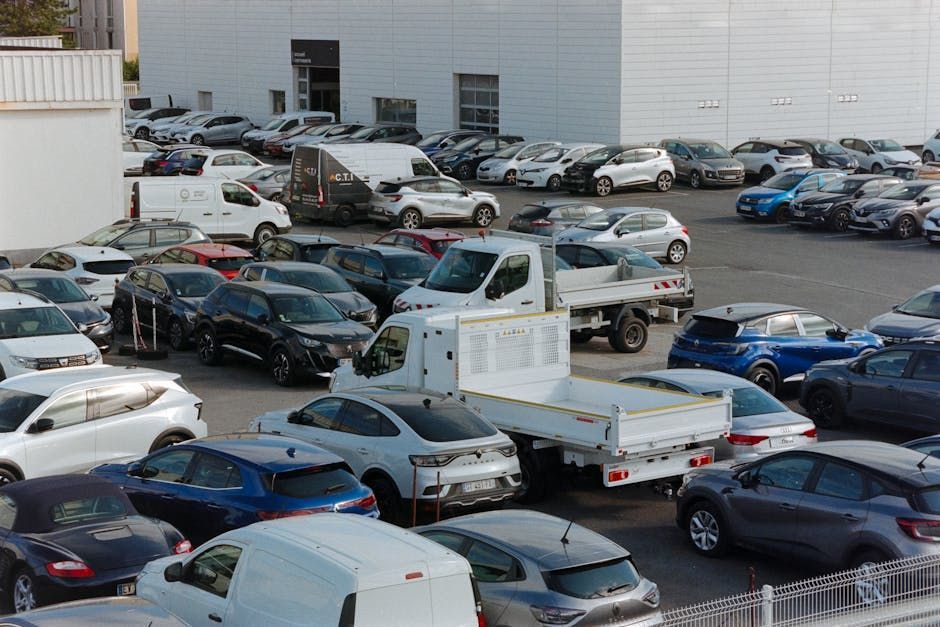
So here is the awkward maths of a place like the NEC. Sixteen and a half thousand car parking spaces, an event diary that runs from Crufts to the Caravan Show to the BBC Good Food Show by way of whatever trade fair has booked Hall 5 next, and a grid connection that was sized when British Leyland still made cars down the road in Longbridge. The car park is rammed for a fortnight, half empty for the next three weeks, then rammed again. Now try and tell me how a permanent fixed charging strategy is supposed to make any kind of economic sense across that pattern. It does not. It cannot. And that is before we even mention the DNO quoting six figures and two years for a grid upgrade.
The Burstiness Problem Static Charging Cannot Solve
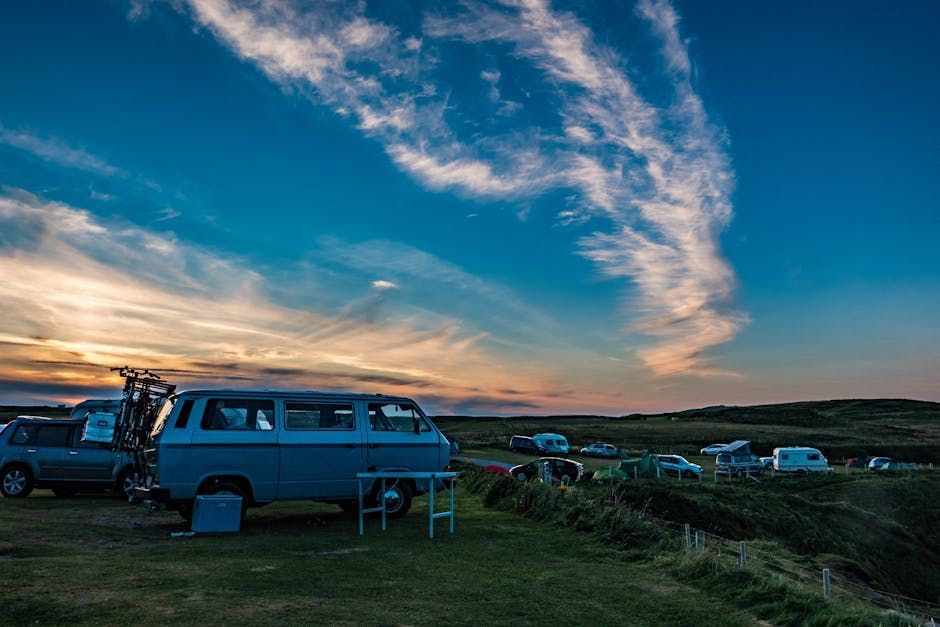
Conference and exhibition venues are not like supermarket car parks where the load is roughly steady week to week. They are spiky in a way that breaks every traditional charging business case. When the Caravan, Camping and Motorhome Show is on at the NEC there are something like 80,000 visitors a day across five days. When the smaller B2B trade events run, there might be 4,000 visitors a day. Between events the car parks are nearly empty.
Build enough fixed chargers to cover peak demand and they sit gathering dust for three weeks out of four. Build for average demand and you turn away EV drivers at the gate during the big shows, which is precisely when your reputation is on the line and your social media manager is fielding complaints from someone called Dave who drove down from Sheffield in a Polestar. Most venues have done neither. They have a handful of chargers in row C, half of which are out of order, and a queue from Manchester Central all the way back to Deansgate.
What Happens When 4,000 EVs Turn Up for the Same Show
Look at the practical bit. By 2030 a fair chunk of every UK exhibition crowd will be driving electric. If you have 30,000 cars on site at the NEC for the Good Food Show and even a third of those are EVs needing a top up before they head back to Yorkshire, that is 10,000 charge events across five days. Your existing grid connection cannot do it. The DNO upgrade quote will fund a small extension to the West Midlands transmission network and arrive in time for the 2029 show. Brilliant.
Meanwhile ExCeL has IBC, the London Boat Show and the London Coffee Festival running back to back. SEC Glasgow has SPE Offshore Europe and TRNSMT in the same summer. Harrogate has the Knitting and Stitching Show with a clientele that is, frankly, exactly the early adopter EV demographic you should be planning for. Olympia, Bournemouth International Centre, Manchester Central, the Excel halls down at Royal Victoria Dock — the pattern repeats at every major venue in the country.
Mobile Power That Travels Between Venues, Not Through Trenches
This is where PowerMe's kit was designed for exactly this kind of problem. TitanMe Max is a 100kWh, 200kW DC rapid charger that sits on a euro pallet footprint and can be moved between sites with a forklift and a flatbed. Wheel four of them into the visitor car park for the Caravan Show. Move them to a different venue for the next event. Park them in the staff car park during off-weeks if you want. You are not committing concrete, copper and capex to a use case that only fires properly for twelve weeks of the year.
Pair the mobile fleet with a permanent FreeMe container at the back of the main car park for the always-on baseline load. FreeMe sits on the ground, no digging, no DNO grid upgrade, no civils contractor with a programme that overruns by six months. The LTO and LFP hybrid battery inside it acts as a buffer so you can charge it overnight off whatever modest grid connection you do have, and discharge it fast when 4,000 EV drivers want a top up between the doors opening at 09:30 and lunch.
How EaaS Turns Car Park Tarmac Into Revenue
The other thing exhibition venues tend to miss is that EV charging is not a cost line. It is a margin line if you set it up properly. Under PowerMe's Energy as a Service model, we fund and install the kit, we own and operate it, the venue gets a profit share for providing the floor space. No capex, no grid headache, no procurement cycle that runs longer than the contract you are bidding for.
If you would rather own the kit, we lease it. Either way, the maths starts working when you stop treating EV charging like a cost of doing business and start treating it like an ancillary revenue line that also happens to keep your exhibitors and your visitors happy. Crufts gets harder to win as a venue if the dog owners cannot charge their Kia EV6 between the agility ring and the gun dog final. That is the real commercial argument here, and it is not going away.
Get in touch: info@powerme.energy / +44 20 8050 8198 / www.powerme.energy