Your Anchor Tenant Wants EV Chargers. Your Capex Says No.

James Foster • May 19, 2026

Share this article

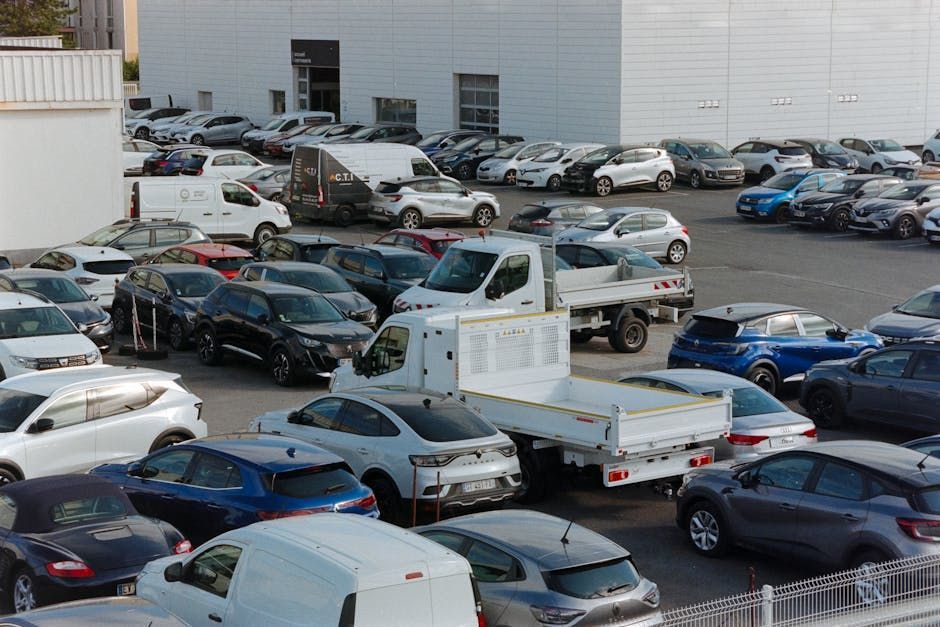
So here is the thing. Retail park landlords spent thirty years perfecting the tenant mix. Anchor supermarket at one end, B&Q or Wickes at the other, Costa and Pets at Home dropped in the middle and a Greggs by the entrance so the school run feels productive on the way home. The footfall worked, the rents held up, the service charge covered the bins and the lighting and the bloke who paints over the trolley scrapes once a year. Lovely. Until the anchor tenant wrote and asked when the EV chargers were going in.

The Tenant Mix Has Changed and Nobody Told the Landlord

Retail park tenants are not asking nicely any more. They are putting it in the lease. Major grocers are writing minimum charger counts into new leases and renewals, the DIY chains are running their own electric van fleets in and out of the loading bays and customer surveys keep coming back saying the same thing. People with EVs pick the retail park that has chargers over the one that does not. They do their weekly shop while the car tops up, they grab a coffee, they wander into Currys to look at a telly they had no plans to buy. Footfall up, basket size up, dwell time up. The leasing team should be putting champagne on the table for it.

Except the landlord has been handed the bill. A proper 350kW hub with a DNO upgrade is the wrong side of a million quid before the first car plugs in and the DNO has helpfully sent through a connection offer with an eighteen month lead time and a quote that has more zeros than the last refurbishment. The capex committee, who were quite happy approving paint and signage, now have a charging infrastructure budget line they did not ask for. So they sit on it. And the anchor tenant emails again.

The Maths Most Retail Parks Get Stuck On

The standard story goes like this. You commission a feasibility study, the consultants come back with a number, the number is too big, the board says no, the leasing director quietly takes the chargers out of the next renewal and the tenant goes elsewhere. Or you do push ahead, you trench the car park to lay cable, you close half the surface for six weeks, the tenants who pay your rent get angry about the lost spaces, the DNO turns up late, the substation upgrade overruns and the chargers come on at half the speed you specified because the local network cannot deliver the load you assumed in the spreadsheet. Either way the landlord is the one wearing it.

This is before we get to the operating headache. Who takes the payments? Who fixes the broken screens? Who chases the OCPP backend when it falls over on bank holiday weekend? Whoever signed the cheque, that is who.

How PowerMe Drops It In Without the DNO Queue

FreeMe is a containerised charging system that arrives by HGV and is commissioned in days, not months. The 8ft variant runs 150kWh, the 10ft runs 350kWh with two heads, the 20ft goes to a megawatt with four heads and the 40ft sits at three megawatts when you genuinely have the demand. It sits on the existing car park surface. No trench. No civils. No DNO upgrade if the load profile suits and a much smaller grid ask if you do want to plug it in for top up. The Toshiba SCiB LTO chemistry inside takes a fast recharge without the cycle life penalty that LFP gets hammered with, which means the asset stands up to retail park duty cycles where you might do two hundred sessions on a Saturday and three on a Tuesday.

The point is operational. Sign the deal on a Wednesday, the unit lands the following month, the tenants stop emailing, the EV drivers stop driving past to the Aldi down the road. You go from a problem the board has parked to a profit centre that turns up in the management accounts.

The Profit Share Most Landlords Have Never Been Offered

Here is where it gets interesting. PowerMe runs two models. You can lease the kit if you want the energy revenue and the operating control, and the leasing facility is structured so the asset stays off your balance sheet. Or you can go Energy as a Service, where PowerMe funds, deploys, owns and operates the unit and you receive a profit share for providing the bay. Zero capex. Zero operating headache. The chargers turn up, the network runs, the tenants get what they wanted and a cheque arrives every quarter. Property directors who have spent the year explaining why the capex committee said no quite enjoy that conversation.

Either model gets the chargers on site inside a quarter, which is the difference between holding onto the anchor tenant and watching them open the renewal letter looking for a reason to leave.

Get in touch: info@powerme.energy / +44 20 8050 8198 / www.powerme.energy

Recent Posts

By James Foster May 24, 2026
Pub estates and hotel car parks have Britain's longest dwell times and almost no working chargers. The containerised FreeMe approach fixes that without trenching.
By James Foster May 23, 2026
Business parks have thousands of staff cars and almost no chargers. PowerMe FreeMe drops in on EaaS so the landlord pays nothing and earns a profit share.
By James Foster May 22, 2026
Exhibition halls fill for one week in twelve. Static EV chargers gather dust between events. Mobile rapids and off-grid containers fix the maths.
By James Foster May 21, 2026
British festivals talk green but burn diesel by the tanker load. LTO battery power finally makes silent, zero-emission festival energy commercially viable.
By James Foster May 20, 2026
UK energy retailers want B2B EV charging revenue but the DNO holds the queue. PowerMe FreeMe and TitanMe Max deploy off grid with no trench, no wait.
By James Foster May 18, 2026
Electric boats from Candela, X Shore and Vita need more than a 16 amp pedestal. PowerMe TitanMe and FreeMe deliver marina charging that ships in days not years.
Show More