Electric Boats Have Arrived. Your Marina Pedestal Hasn't.

James Foster • May 18, 2026

Share this article

So you run a marina, and last summer two visiting yachts asked you about charging. Both of them electric. One was a Candela C8 hydrofoil, the other was a Vita day cruiser, and the chap on the Vita pointed out, politely enough, that the 16 amp blue pedestal at the end of pontoon C was not going to do the job. It might do a kettle. It was not going to put a meaningful charge into a 252kWh battery before the tide turned.

And that, in a sentence, is where most UK marinas now find themselves. The boats have gone electric. The pedestal hasn't.

The pedestal nobody designed for an electric boat

Marina shore power was specified back when the most demanding thing on a yacht was a fridge that struggled and a 240 volt heater you weren't really supposed to use. 16 amp or 32 amp pedestals on the residential berths, maybe a 63 amp blue commando on the visitor finger if the marina had been generous with the cable runs. None of that is going to charge an electric boat. A Vita Lion comes in at 252kWh. A Candela C8 at 69kWh. X Shore boats sit somewhere in the middle. RAD Propulsion has retrofit kits going onto traditional hulls that need a proper top up between passages. All the big groups, from Premier Marinas to MDL, from Boatfolk to Yacht Havens, have the same letter from the same DNO sitting on a desk somewhere. The pedestal was never going to cope.

And the funny thing is, you can ring up the DNO and ask for an upgrade, and you will get a number back that you cannot use. Eighteen months minimum, six figures for the cable, plus a ground works bill that gets bigger every time someone realises the supply runs under the boatyard. That is not a marina upgrade. That is a marina rebuild.

The car park nobody costed in either

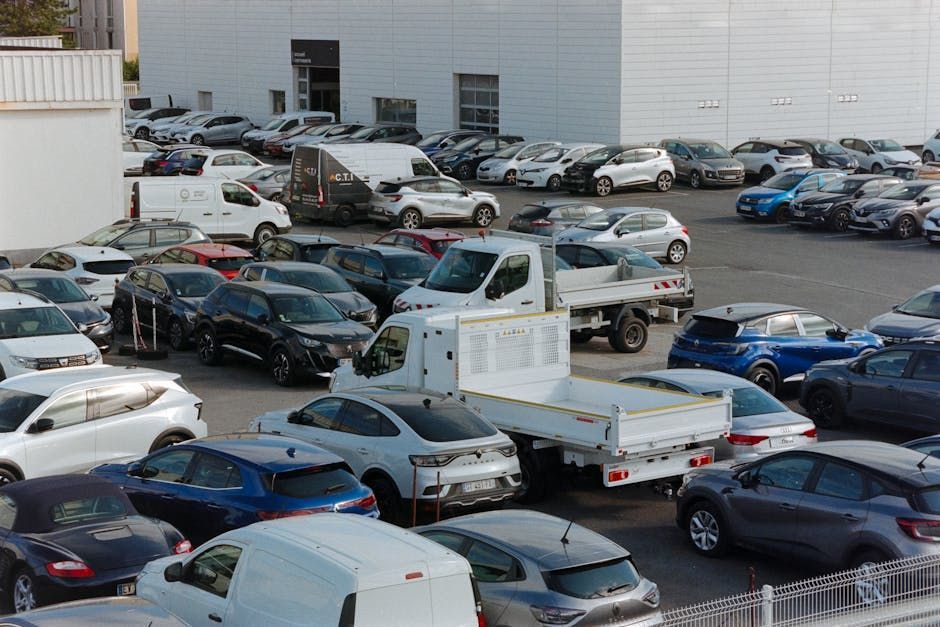
Here is the bit boards don't always spot. The berth holder who arrives in a Tesla Model Y and the visiting weekender who pulls up in an electric Range Rover have both also got nowhere to charge. The marina car park, the same one with the cracked tarmac and the lines somebody painted in 1998, has quietly become a forecourt. Berth holders are spending the weekend on the boat, the car is sitting there for forty eight hours doing nothing and they would happily pay 60p a kWh to have it full when they go home on Sunday. You are not capturing that revenue because there is nothing for them to plug into.

Two demand profiles, one site, neither of them served. Quietly, every weekend.

What actually solves it

The PowerMe answer is built for exactly this kind of site and it ships in days rather than years. TitanMe is a 40kWh, 150kW DC unit mounted on a van. It will drive down the access road, pull up at the fuel berth or the slipway and deliver a real charge to a tender, a day boat or a car in fifteen minutes flat. For the bigger marinas, FreeMe is the containerised solution that sits by the harbour office, drops in without ground works, runs on its own Toshiba LTO battery bank and serves the car park and the visitor berths at the same time. Both products do the thing the DNO cannot do, which is turn up.

Commercially, you have two routes. Lease the kit if you want to run the energy revenue yourself, or take it on Energy as a Service where PowerMe funds, deploys and operates the unit and you take a profit share for providing the site. Either way you have not dug a trench, you have not paid for an HV upgrade and you are not waiting on a quote from a DNO surveyor who has not returned a call since March.

The marina that captures it first wins the cruising route

Cruising patterns in the Solent, the South West, the East Coast and the Scottish lochs all key off where you can refuel. Electric boats are no different, except the refuelling station is your charger and the alternative is a marina ten miles down the coast. The first marina on a cruising route with proper electric capacity becomes the default destination. The second one gets the boats that did not get a berth. The rest of them lose a generation of boaters who simply stop showing up.

The leisure marine market in the UK runs to billions, electric is arriving faster than the trade press wanted to admit and the question for any marina operator is not really whether to charge for power. It is whether you have anything worth charging from.

Get in touch: info@powerme.energy / +44 20 8050 8198 / www.powerme.energy

Recent Posts

By James Foster May 24, 2026
Pub estates and hotel car parks have Britain's longest dwell times and almost no working chargers. The containerised FreeMe approach fixes that without trenching.
By James Foster May 23, 2026
Business parks have thousands of staff cars and almost no chargers. PowerMe FreeMe drops in on EaaS so the landlord pays nothing and earns a profit share.
By James Foster May 22, 2026
Exhibition halls fill for one week in twelve. Static EV chargers gather dust between events. Mobile rapids and off-grid containers fix the maths.
By James Foster May 21, 2026
British festivals talk green but burn diesel by the tanker load. LTO battery power finally makes silent, zero-emission festival energy commercially viable.
By James Foster May 20, 2026
UK energy retailers want B2B EV charging revenue but the DNO holds the queue. PowerMe FreeMe and TitanMe Max deploy off grid with no trench, no wait.
By James Foster May 19, 2026
Retail park tenants want EV chargers and the landlord gets the capex bill. PowerMe FreeMe drops in off grid on EaaS, no trench, no DNO, profit share back.
Show More