Universities Want Net Zero. Their Car Parks Are Still Petrol.

James Foster • May 13, 2026

Share this article

So here is the thing about universities. Every prospectus has a section on sustainability. Net Zero by 2030. Carbon neutral campus. Single use plastic banned in the union bar. The vice chancellor has done a TedX about it. The estates director has a wall planner with green stickers all over it.

And then you walk out to the staff car park and try to charge your Tesla.

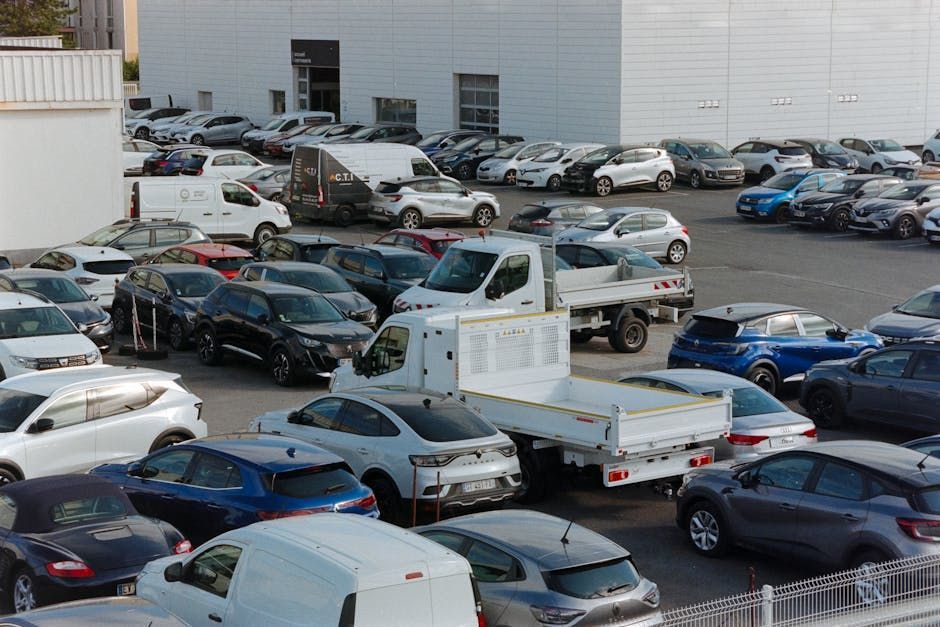
There are two posts by the cycle rack from 2019, a 7kW Type 2 each, and one of them has been broken since the Christmas before last. The other one charges your car at the speed of a slightly enthusiastic kettle. Meanwhile across the car park there are forty other EVs, the students are turning up with Hyundais on PCP and the lecture theatres are full of people who genuinely care about all this stuff.

This is the gap. Net Zero ambition meets capital constraint meets listed campus and the answer is two broken Type 2 posts.

The grid wait nobody on the prospectus mentions

UK universities operate on grid connections that were designed for a different century. The cabling at Oxford and Cambridge runs under cobbles that English Heritage has feelings about. The science block at Edinburgh has a transformer from the 1970s. Loughborough has a campus the size of a small town and a DNO connection point that was sized when the university taught two thousand students, not seventeen thousand.

When the estates team rings the DNO to ask about an upgrade for fast charging the conversation goes one of two ways. Either it is an eighteen month wait and a six figure reinforcement quote, or the DNO points out that the substation cannot take any more load and the upgrade is in the queue behind a housing estate that has not been built yet.

That is not a sustainability strategy. That is a problem.

Trenching across a campus the registrar will not let you touch

Even if the grid plays ball there is the small matter of ground works. UK campuses are full of services nobody documented. Steam pipes from the 1950s heating system. Fibre lines the IT department added in 2003 when the network went hot. Listed building grounds. Quad lawns the bursar is more protective of than her own children. War memorials. Bronze age remains if you are unlucky enough to be York or Durham.

Try telling the registrar that you want to dig a trench from the substation to the car park and watch the colour drain from her face.

What actually works on a campus

This is where it gets interesting. PowerMe builds a containerised charger called FreeMe . Eight foot, ten foot, twenty foot, forty foot variants depending on how much energy a site needs. It runs off a hybrid battery system, Lithium Titanate handling the peak load and Lithium Iron Phosphate doing the bulk storage. The whole unit drops in on a hard standing, plugs into whatever grid connection is already there and tops itself up overnight while delivering 150kW or 200kW DC charging to the cars during the day.

No trench. No DNO upgrade. No conversation with the listed building people. No ground works. No bronze age burial sites disturbed.

It looks like a shipping container painted in the university brand colours. Which, given that half the modern halls of residence already are shipping containers, fits the campus aesthetic perfectly.

The capex line the bursar will actually sign off

Here is the bit universities really need to hear. The vast majority of UK universities have not got capex for charging infrastructure. They have got it for a new sports hall and a hydrogen research lab and a building that will be named after a donor who has not been born yet, but they have not got it for forty fast chargers in the staff car park.

PowerMe runs a commercial model called Energy as a Service . We fund the unit, we own it, we install it, we operate it, we maintain it and we run the software. The university provides the location and takes a profit share. Fifteen percent is the typical number. No capex, no operating cost, no risk on the asset.

The car park starts generating revenue for the university instead of costing money to maintain. The sustainability report gets a chapter that is not complete nonsense. The vice chancellor's TedX talk gets a slide that actually shows a deployed asset. The estates director takes the green sticker off the planner.

For the surge weeks, graduation, open days, freshers, the summer conference season when the university hires the place out to corporates, we can drop in a TitanMe van mounted unit alongside the FreeMe to absorb the peak. When the surge is over it drives away. Try doing that with a static install bolted to a concrete plinth.

Where this goes next

The universities that move first on this will end up with a tidy commercial asset, a sustainability story that is actually true and a car park that does not embarrass them on the open day tour. The ones that wait for the DNO will still be in the queue when the eHGVs arrive.

If you are the estates director, the sustainability lead, the bursar or the chap in maintenance who has to keep the Type 2 posts working with a multimeter and a prayer, give us a call. We will walk the site, model the deployment and put real chargers where the broken ones used to be.

Get in touch: info@powerme.energy / +44 20 8050 8198 / www.powerme.energy

Recent Posts

By James Foster May 24, 2026
Pub estates and hotel car parks have Britain's longest dwell times and almost no working chargers. The containerised FreeMe approach fixes that without trenching.
By James Foster May 23, 2026
Business parks have thousands of staff cars and almost no chargers. PowerMe FreeMe drops in on EaaS so the landlord pays nothing and earns a profit share.
By James Foster May 22, 2026
Exhibition halls fill for one week in twelve. Static EV chargers gather dust between events. Mobile rapids and off-grid containers fix the maths.
By James Foster May 21, 2026
British festivals talk green but burn diesel by the tanker load. LTO battery power finally makes silent, zero-emission festival energy commercially viable.
By James Foster May 20, 2026
UK energy retailers want B2B EV charging revenue but the DNO holds the queue. PowerMe FreeMe and TitanMe Max deploy off grid with no trench, no wait.
By James Foster May 19, 2026
Retail park tenants want EV chargers and the landlord gets the capex bill. PowerMe FreeMe drops in off grid on EaaS, no trench, no DNO, profit share back.
Show More