Net Zero Productions Are Still Running on Red Diesel

James Foster • May 14, 2026

Share this article

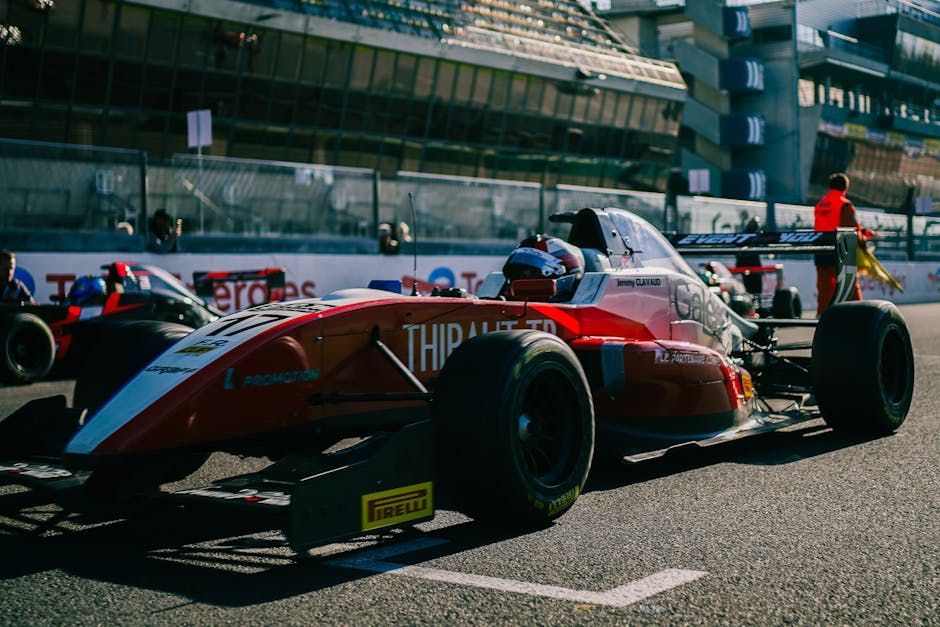
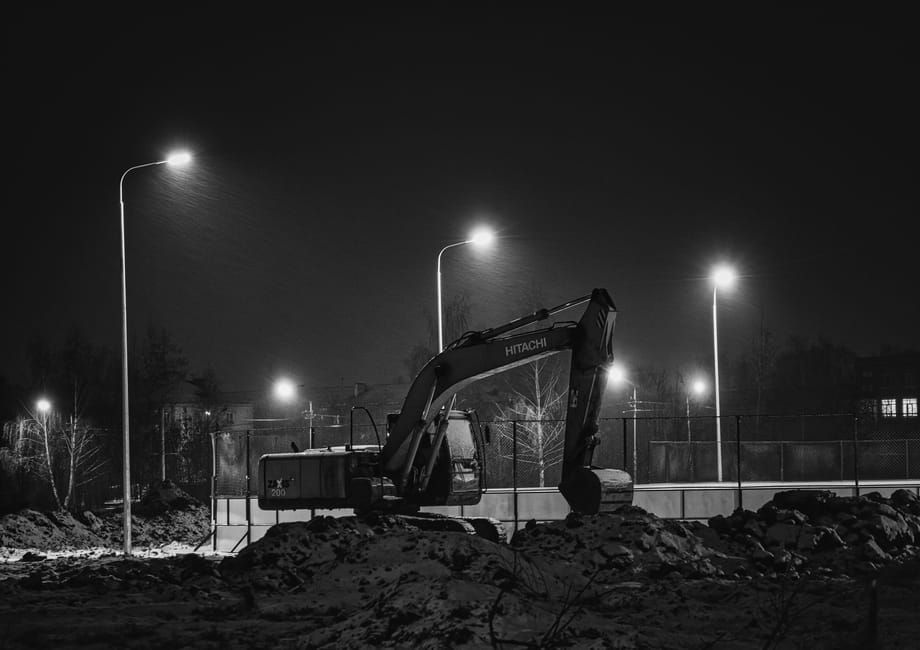
So here is the contradiction nobody at the production meeting wants to admit. Netflix has its sustainability pledge, the streamers are all signed up to the BAFTA albert standard, Pinewood is talking about being a green hub and yet base camp on a typical location shoot is still a diesel generator parked behind the makeup trailer chugging away for fourteen hours a day. Two generators if it is a big shoot. Three if catering is on site. The badge says Net Zero Production and the smell says otherwise.

This is one of those things where the marketing department and the production sparks live in completely different worlds. Marketing wants the green credentials on the press release. Sparks wants the genny to start when they hit the button at five thirty in the morning in a damp field outside Tunbridge Wells. You cannot blame either of them. The question is whether anyone has actually built the alternative.

The energy demand on a real location is not small

Let us be specific about what a location shoot actually needs. You have the camera trucks, two or three of them depending on scale, each with batteries to charge between takes. You have the lighting trucks running HMIs, LEDs, the lot. You have hair and makeup, which is hairdryers, straighteners, mirror lights, the kettle. You have costume, which is a steamer and another kettle. You have catering, which is the proper killer because catering hot tables and walk in fridges pull serious load. You have the production office trailer with laptops, monitors, comms gear, satellite uplink. You have unit base with crew vans and these days an increasing number of crew vans are electric.

Add it up and a mid sized drama location is asking for between 100kWh and 400kWh across a typical shooting day. A feature film base camp can push past that. And then somebody parks an electric Berlingo on the unit base and asks where they plug in. Right.

Mobile is not a nice to have. It is the whole point.

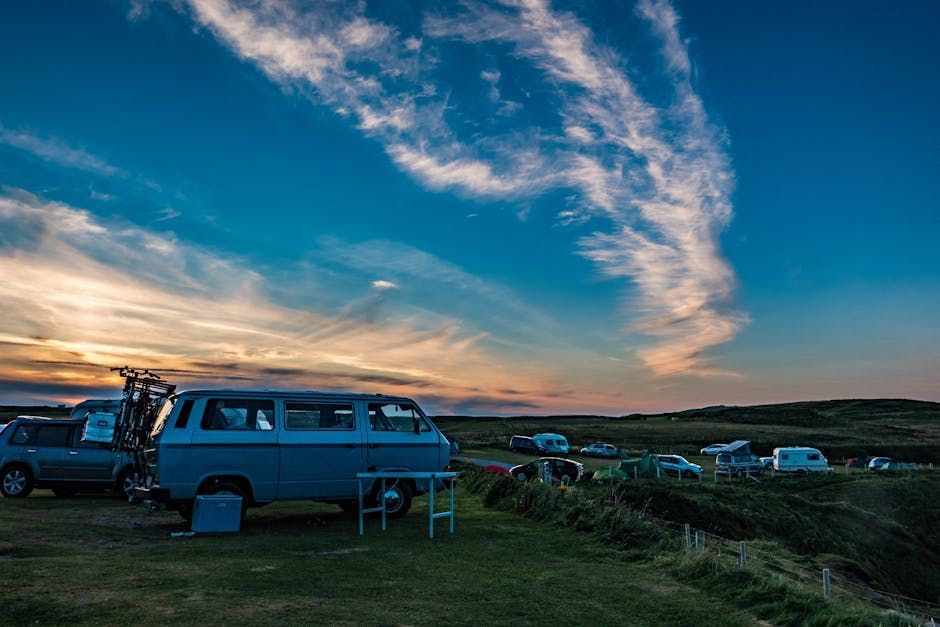
Here is the bit that makes location production different from a stadium or a hospital car park. The job moves. Monday you are in a manor house near Bath. Tuesday you have wrapped and you are in a warehouse in Croydon. Wednesday is a tunnel exterior somewhere on the M4. You cannot trench in fibre, dig a transformer pit and submit a DNO application for a location you will leave on Thursday morning. The whole infrastructure has to walk in, sit there for the dwell and walk out again behind you.

This is why static charging conversations are pointless for productions. Forget the DNO. Forget the eighteen months. You need power that arrives on a low loader, plugs in and goes home with the crew.

Where PowerMe actually fits the shoot

The PowerMe TitanMe is a forty kilowatt hour LTO battery system mounted on a van. It is the obvious unit base solution. It rolls onto location with the rest of the trucks, parks up and delivers 150kW of DC charging plus AC capacity for the trailers. The Toshiba SCiB chemistry inside means it takes a fast recharge between days, so the location manager is not waiting overnight to get the unit ready for the next call. For crew EVs and the lower draw kit it is the one piece of kit that replaces the smaller genny entirely.

For bigger productions the TitanMe Max steps in. One hundred kilowatt hour, 200kW DC, cube form factor, sits on a euro pallet footprint. Drop it next to the camera trucks and it handles camera battery flow, lighting reserves and the heavier crew vehicle charging all from one source. You pair it with a containerised FreeMe if base camp is sitting for a few weeks on a back lot at Pinewood or Shepperton, where it makes sense to deploy 350kWh and forget about it for the duration.

The MobileMe, recovery truck mounted, becomes the safety net. Someone has run an electric tracking vehicle flat on the way to set. The MobileMe pulls up, gives them enough to limp to the TitanMe at base, the day continues. No call to the recovery firm at eight in the morning when the unit is meant to be turning over.

The commercial bit nobody talks about

Productions do not buy equipment. Productions hire. The PowerMe leasing model maps cleanly onto a six week or twelve week shoot. You take the unit for the duration, hand it back at wrap and it goes out to the next show. The albert carbon calculator gets a result it can actually live with, the line producer gets a budget line they can defend and the sparks gets a button that works at five thirty in the morning.

You know what the funny thing is? The studios have been waiting for someone to bring them this. The pledge is signed, the calculator is open, the gap on the spreadsheet is the diesel line. Fill the gap properly and the next press release writes itself.

Get in touch: info@powerme.energy / +44 20 8050 8198 / www.powerme.energy

Recent Posts

By James Foster May 24, 2026
Pub estates and hotel car parks have Britain's longest dwell times and almost no working chargers. The containerised FreeMe approach fixes that without trenching.
By James Foster May 23, 2026
Business parks have thousands of staff cars and almost no chargers. PowerMe FreeMe drops in on EaaS so the landlord pays nothing and earns a profit share.
By James Foster May 22, 2026
Exhibition halls fill for one week in twelve. Static EV chargers gather dust between events. Mobile rapids and off-grid containers fix the maths.
By James Foster May 21, 2026
British festivals talk green but burn diesel by the tanker load. LTO battery power finally makes silent, zero-emission festival energy commercially viable.
By James Foster May 20, 2026
UK energy retailers want B2B EV charging revenue but the DNO holds the queue. PowerMe FreeMe and TitanMe Max deploy off grid with no trench, no wait.
By James Foster May 19, 2026
Retail park tenants want EV chargers and the landlord gets the capex bill. PowerMe FreeMe drops in off grid on EaaS, no trench, no DNO, profit share back.
Show More