Electric HGVs Have Arrived. The Depot Grid Has Not.

James Foster • May 15, 2026

Share this article

So the first Volvo FH Electric tractor unit rolled into a Midlands depot last month, plugged in and quietly drained about eighty percent of the available site power. The operations director told me about it on the phone, and the bit that stuck with me was that he sounded resigned rather than angry. The kit had arrived. The grid had not. He knew exactly what was coming next, which was an eighteen month DNO quote and a number with too many zeros on it.

Here is the thing nobody quite says out loud. The HGV electrification story is real now. Volvo FH Electric, DAF XD Electric, the Tevva 7.5 tonners, the Mercedes eActros, the Renault E Tech T, they are all shipping into UK fleets and they all want to plug into the same shape of depot that was sized for a few forklifts and a lighting rig. The maths does not work.

The Number That Makes Logistics Directors Stop Talking

A single electric tractor unit needs roughly 350kWh per turnaround. Round it up for losses and the demand is closer to 400. A modest twenty tractor depot running a single overnight cycle is looking at 7MWh a night. That is not a top up, that is a new substation. The DNO will quote eighteen months at best, more often two years, and they will ask for the grid reinforcement bill on top, which sits anywhere between two hundred grand and three quarters of a million depending on where you are.

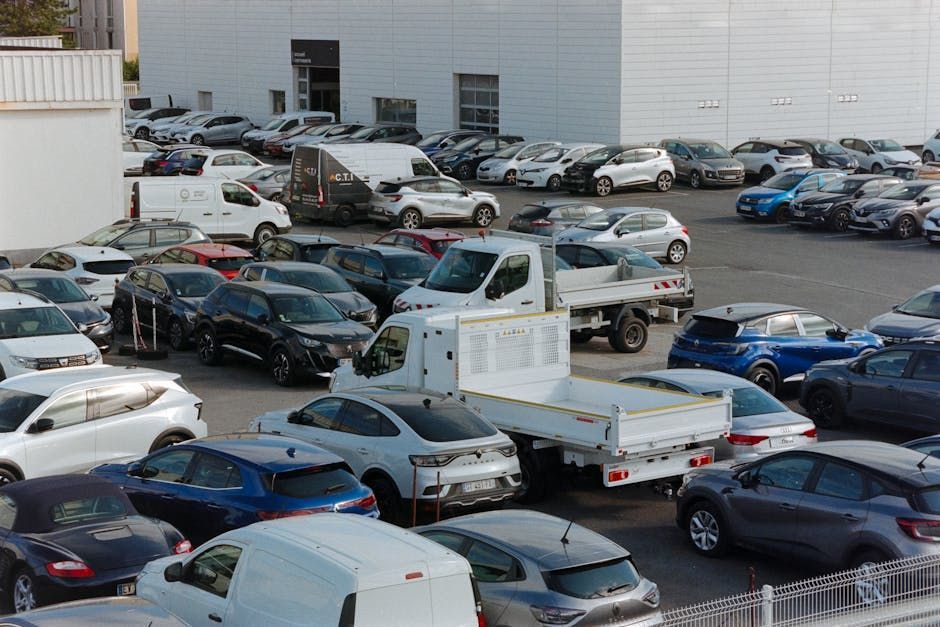
Now layer on the fact that most logistics yards are leased, not owned. So a fleet director is being asked to put half a million quid of trench, transformer and DNO works into a site they may not be at in seven years. The boardroom does not like that conversation. Neither does the CFO. And the truck is sitting outside the office, on order, with a delivery date in twelve weeks.

Why Static Charging Was the Wrong Answer to Begin With

The standard playbook is to bolt a static charger to the wall, run an armoured cable across the yard and pretend the grid will catch up. It will not. The grid in most industrial estates was specified at a time when the heaviest electrical load was the welder in the maintenance bay. Stick six 350kW chargers on it and the substation phones home asking what you think you are doing.

Static charging also assumes you know exactly where the trucks need to plug in for the next twenty years. Anyone who has watched a logistics yard for an afternoon knows the bays move, the lane direction changes and the third party tenants come and go. Concrete and copper buried in the ground does not care about your operations plan.

What FreeMe Actually Does in a Depot

FreeMe is our containerised charger, eight to forty foot ISO footprint, 150kWh to 3MWh of onboard storage and a hybrid LTO/LFP architecture that lets it absorb grid trickle overnight and deliver fast charge during the turnaround window. It sits on the yard, no ground works, no DNO upgrade. If the depot moves in three years it goes with you on a low loader. If the fleet doubles, you put a second one in alongside.

For the operators who want to electrify the first three tractors before the boardroom signs off the depot upgrade, TitanMe Max is the interim. It is a 100kWh, 200kW DC unit on a euro pallet footprint. Park it next to the tractor that needs juice, walk it to the next bay when that one is done. Pilot the electric fleet without breaking a single paving slab.

The Commercial Bit, In Plain English

There are two ways to run this. Lease the kit and operate it yourself, which is the right call if you want to control the energy buy and run the chargers as part of your own balance sheet. Or the EaaS model, where PowerMe funds the unit, deploys it, owns and operates it and you take a profit share for providing the depot. Zero capex, no DNO bill, no eighteen month wait and the fleet starts running electric next quarter rather than next decade.

The fleets that move first on this will be the ones explaining to the supermarket retailers and the third party logistics customers why their CO2 numbers are going the right way. The fleets that wait for the grid to catch up will be explaining why they cannot bid on the contract.

Get in touch: info@powerme.energy / +44 20 8050 8198 / www.powerme.energy

Recent Posts

By James Foster May 24, 2026
Pub estates and hotel car parks have Britain's longest dwell times and almost no working chargers. The containerised FreeMe approach fixes that without trenching.
By James Foster May 23, 2026
Business parks have thousands of staff cars and almost no chargers. PowerMe FreeMe drops in on EaaS so the landlord pays nothing and earns a profit share.
By James Foster May 22, 2026
Exhibition halls fill for one week in twelve. Static EV chargers gather dust between events. Mobile rapids and off-grid containers fix the maths.
By James Foster May 21, 2026
British festivals talk green but burn diesel by the tanker load. LTO battery power finally makes silent, zero-emission festival energy commercially viable.
By James Foster May 20, 2026
UK energy retailers want B2B EV charging revenue but the DNO holds the queue. PowerMe FreeMe and TitanMe Max deploy off grid with no trench, no wait.
By James Foster May 19, 2026
Retail park tenants want EV chargers and the landlord gets the capex bill. PowerMe FreeMe drops in off grid on EaaS, no trench, no DNO, profit share back.
Show More