Electric Diggers and the Grid That Isn't There
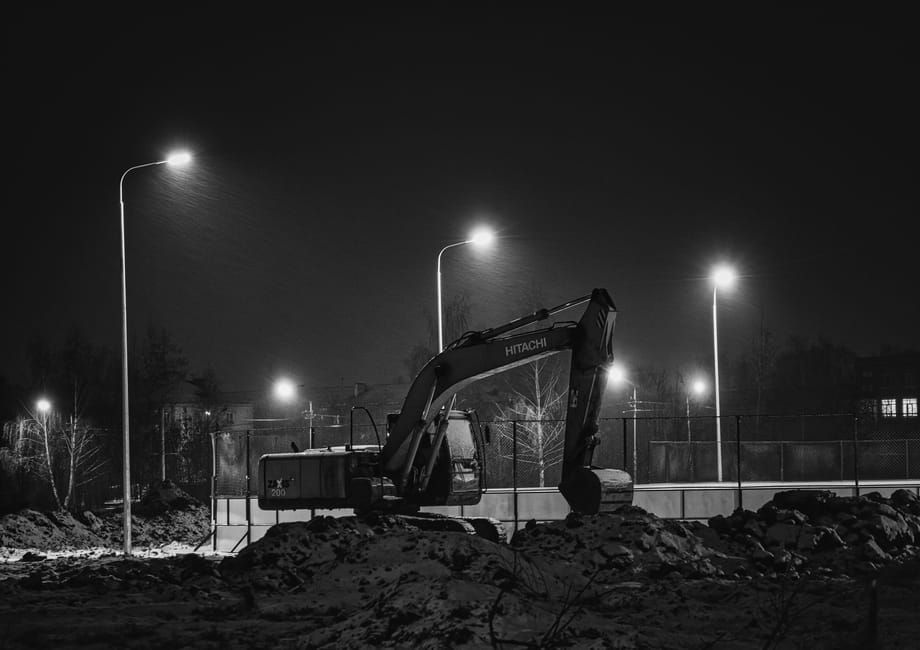
So here is a job site I drove past last month near Reading. Four storey commercial frame going up, decent size, the usual choreography of cranes and concrete wagons and lads in hi vis arguing about lunch. And parked at the gate, lined up like exhibits in a museum, were three brand new electric telehandlers. Beautifully painted. Stickers boasting about zero emissions. Plugged into absolutely nothing because the only power on site was a diesel generator the size of a Transit van.
The diggers were electric. The power was diesel. You could not make it up.
The construction electrification problem nobody is solving
Look, electric plant is happening whether the industry is ready or not. JCB, Volvo, Liebherr and Caterpillar are all shipping battery powered telehandlers, mini excavators and wheel loaders. Local authorities are starting to write zero emission requirements into tender documents, particularly in London where the Mayor's policy on construction emissions has teeth. Big developers like Berkeley and Lendlease are setting their own internal targets that filter down to subcontractors whether they like it or not.
The problem is that a typical UK construction site does not have a grid connection capable of fast charging anything bigger than a power tool. You get a temporary builders supply, maybe 100 amps three phase if you are lucky, and that is already committed to lighting, welfare cabins, the hoist and a dozen other things. There is no spare 150kW lying around for the diggers.
So what happens? The site team falls back on diesel generators to top up the batteries, which rather defeats the point. Or the plant operator drives the kit back to the yard every night, loses two hours of working time and adds wear on the transporter. Or, most commonly, the plant just sits there charging at a slow trickle until somebody figures it out.
Why mobile power makes sense on a moving target
Construction sites are the one place where it makes no sense to install permanent charging. You finish the job in eighteen months, two years if it is a big one, and then the whole compound has to come out. Anything you put in the ground is wasted capex.
The TitanMe Max changes the maths. One hundred kilowatt hour Toshiba SCiB battery, 200kW DC output, sized to a euro pallet footprint so it sits on the back of a Fiat Ducato or a similar light commercial chassis. You bring it on site Monday morning, plug the plant into it through the day, take it off site when the job finishes. No ground works. No planning conversation with the local DNO. No stranded asset when the project moves to its next phase.
And because it is LTO chemistry rather than the LFP that everybody else uses, you get four times the charge rate. A telehandler with a 60kWh pack goes from twenty percent to full in about twenty minutes off the TitanMe Max, which means you can rotate two machines through the same charger across a working day rather than tying one bit of kit up for hours. Throughput matters when you have plant on a hire rate.
The lease versus EaaS question on a construction job
Two ways to do this, and they suit different operators.
If you are a main contractor running multiple sites and you want the asset on your balance sheet, the lease model works. Pay a monthly figure, redeploy the unit between sites as projects start and finish, write the cost into your project preliminaries the same way you would a tower crane or a welfare unit.
For one off jobs or for plant hire companies, the Energy as a Service model is cleaner. PowerMe owns and operates the unit, you pay per kilowatt hour delivered to the plant and there is no capital outlay at all. Whichever pot the project uses to pay for diesel or hired generators just redirects to clean power instead. The numbers usually come out within a few percent of what operators are already paying for diesel, and that is before anybody factors in the noise reduction, the air quality scoring on tender returns or the fact that no apprentice is shovelling fuel anywhere.
What this looks like on the ground
A typical mid sized site running two electric telehandlers and a mini excavator works out at roughly 250kWh of demand a day. One TitanMe Max parked on site, recharged overnight either off the builders supply at three phase or off a second unit on rotation, covers the whole job. Add a second unit if the plant population grows or if the programme tightens.
For larger sites or for commercial framework agreements, a FreeMe 8ft container at 150kWh capacity sits in the corner of the compound and feeds plant, welfare cabins and EV cars all from one box. Same off-grid principle, just at a scale that suits a longer programme.
Nobody else in the UK market is doing this with LTO chemistry at the right form factor. The competitors are either fixed kit you cannot move, or LFP based mobile chargers that take an hour to refill themselves between jobs. Neither answers the construction question, which is mobile, fast and walks off site when the job ends.
Get in touch: info@powerme.energy / +44 20 8050 8198 / www.powerme.energy