Surge Charging: Why Ports, Airports and Exhibition Venues Need Different Infrastructure
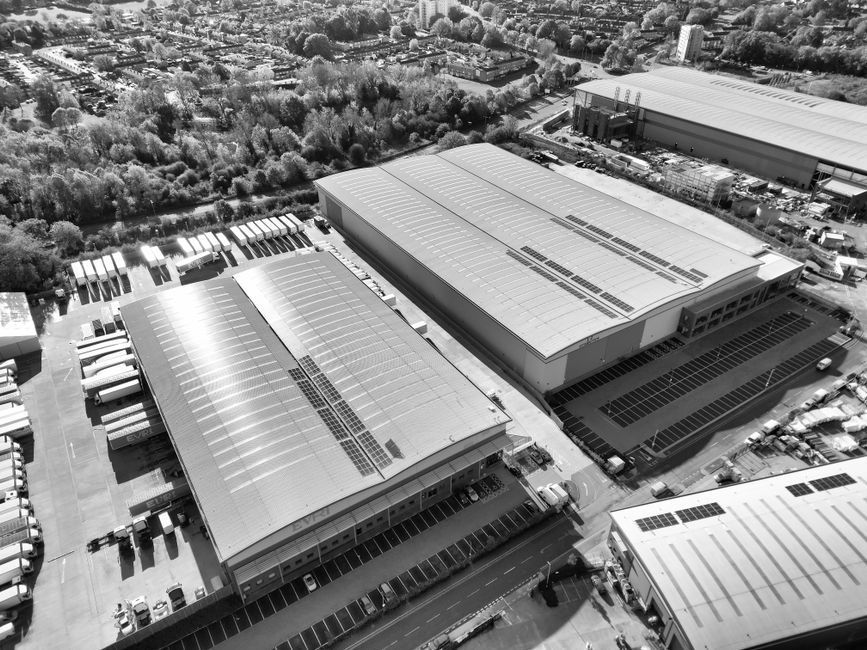
So have a think about how charging actually works at a port, an airport or a major venue, because the standard mental model that most CPOs are using simply does not fit.
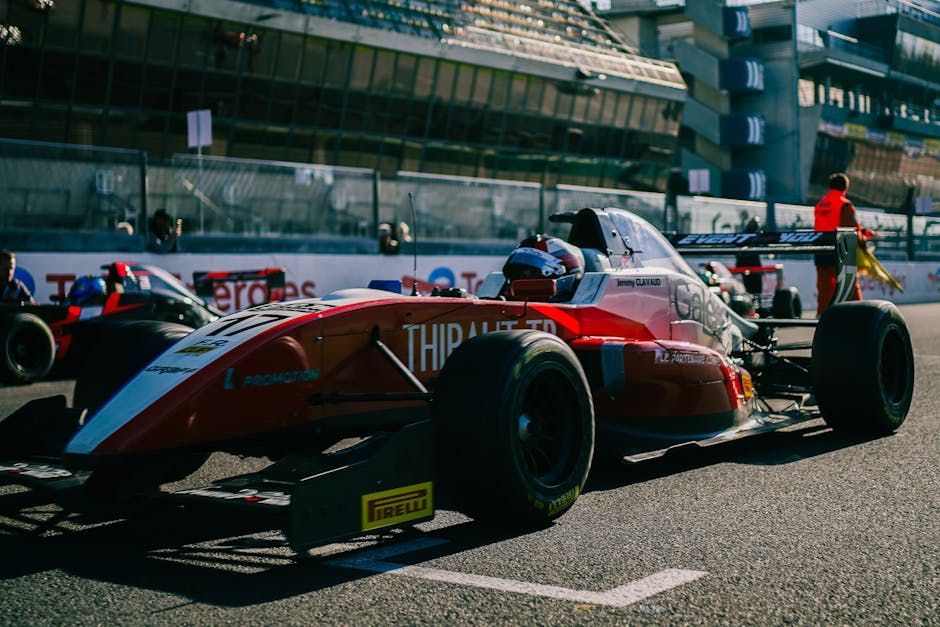
A car park at a service station has a relatively predictable load curve. Morning peak, lunch peak, evening peak, and the rest of the day it is reasonably steady. A static EV charging install can be sized against an average and it broadly works. Now look at Dover on a bank holiday. Look at Birmingham NEC on the Thursday of a major show. Look at the taxi rank at Gatwick on the last day of a school half term. Look at the F1 weekend at Silverstone or the Cheltenham Festival or the Three Day at Badminton. The load is not a curve, it is a cliff. You have ninety percent of your demand inside ten percent of the year and a static install would either be permanently undersized for the surge or cripplingly expensive to size for it.
So what do you do? The honest answer most operators have arrived at is "nothing, for now". They are quietly hoping the grid catches up. It will not.
The hidden cost of overbuilding for a peak
Sizing a permanent static install for the Friday of Crufts is one of the worst capital decisions you can make. You spend a fortune on the grid upgrade, the trenching, the switchgear, the chargers themselves and then watch the kit sit at five percent utilisation for eleven months of the year. The maintenance and software bill keeps coming whether the cars are there or not. The accountant works out that on a £/kWh sold basis you would have been better off staying with diesel generators in the back of a transit van.
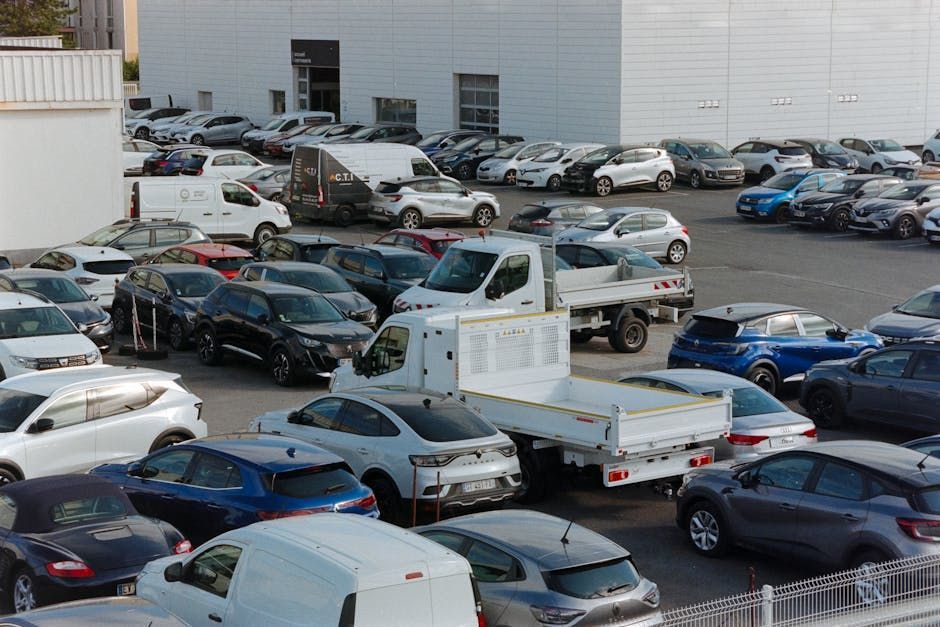
The other side of the coin is the operator who undersizes for the peak. The chargers exist, they are just queued ten cars deep on the Saturday morning of a county show. Customer experience is destroyed. Drivers head off to the nearest forecourt instead of the venue car park, the dwell time spend evaporates and the venue gets the bad review on the way out.
Neither outcome is good business.
Two products, one playbook
This is the scenario PowerMe was actually designed for. We do not believe in building one giant static answer for an event-driven load. We build a base load and a surge load that work together.
FreeMe handles the base. A containerised battery hub on the site, sized to handle the steady traffic, deployed without ground works on whatever supply the venue currently has. It drip charges off-peak and delivers fast charge when needed. For a port, an airport long stay, an NEC car park or a stadium that has any kind of weekday baseline, this is the unit that earns its keep three hundred and sixty five days a year.
TitanMe handles the surge. A van mounted 100kWh, 200kW DC mobile rapid charger that can be brought onto site for the busy weekend, the show, the festival, the cup final, the air show and then leave again on the Monday morning. Same battery chemistry, same AI control, same OCPP backend. You are paying for the kit when it is generating revenue, not when it is sat idle.
Combine the two and you get a surge ready, base loaded, off-grid capable charging operation that flexes with the calendar rather than fighting it.
Why this matters for local authorities and councils
This is not just a private sector story. Plenty of city councils and local authorities are sitting on car parks that they would love to electrify but cannot justify the capex against the utilisation. A market square that gets one big event a month, a coastal car park that goes from empty in February to full in August, a leisure centre with peak load on Saturday mornings, all of them benefit from kit that flexes.
The Energy as a Service model is particularly attractive in the public sector. PowerMe funds, deploys and operates the infrastructure on the council's land. The council gets a profit share for hosting and a charging service for residents. There is no capital outlay and no procurement nightmare on a multi-year capital programme. It is the closest thing the public sector has to a free electrified car park, and in a tight local government budget environment that matters.
Why the LTO chemistry actually counts here
A boring point that turns out to be commercially important. Toshiba SCiB lithium titanate cells charge and discharge at much higher C rates than the LFP chemistry most competitors use. For a venue running surge events that means the unit refills faster between sessions. For a recovery scenario at a port or an airport it means the kit cycles harder without a thermal headache. The same hundred kWh of nameplate capacity does more work in a day. That changes the unit economics in a way the spec sheet does not always make obvious.
So if you operate any of the following
- A port, ferry terminal or harbour
- An airport with long stay and short stay car parks
- An exhibition venue, conference centre or stadium
- A festival, racing or motorsport venue
- A local authority car park with seasonal demand
The thing standing between you and a charging revenue line is almost certainly not the chargers. It is the cost and the lead time of building a static answer for a non-static load.
PowerMe was built for exactly that gap.
Get in touch: info@powerme.energy / +44 20 8050 8198 / www.powerme.energy