Caravan Parks and the Grid That Was Never Going to Cope
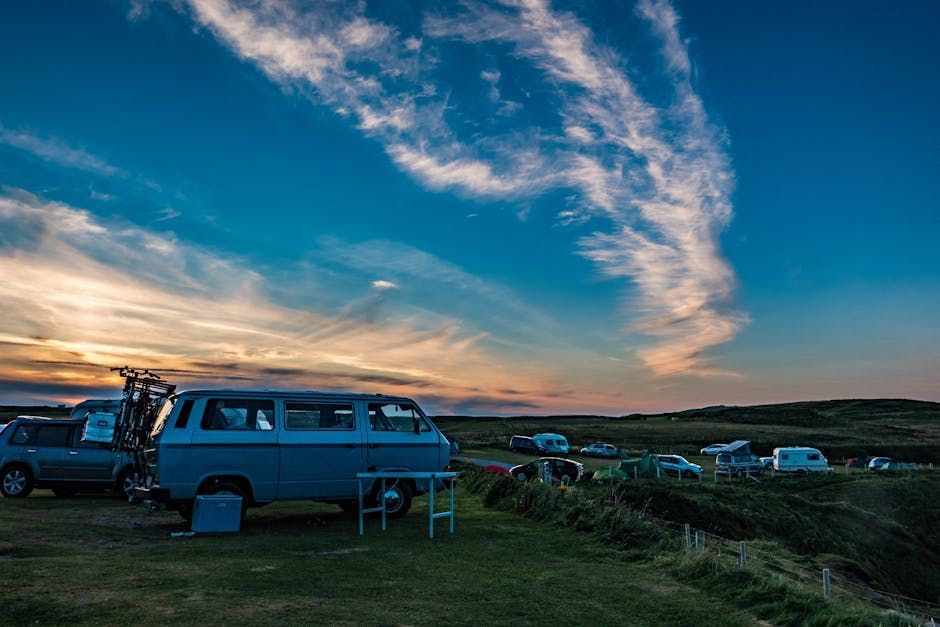
So here is the thing about a caravan park in May. Every pitch is booked, the site shop is doing a roaring trade in disposable barbecues and Calor refills, and somewhere in the corner there is a Tesla Model Y plugged into a 13 amp socket that was originally installed for somebody's electric blanket in 1987. The owner is asking reception why his car only added eleven miles of range overnight. Reception has no idea. The grid, frankly, has even less.
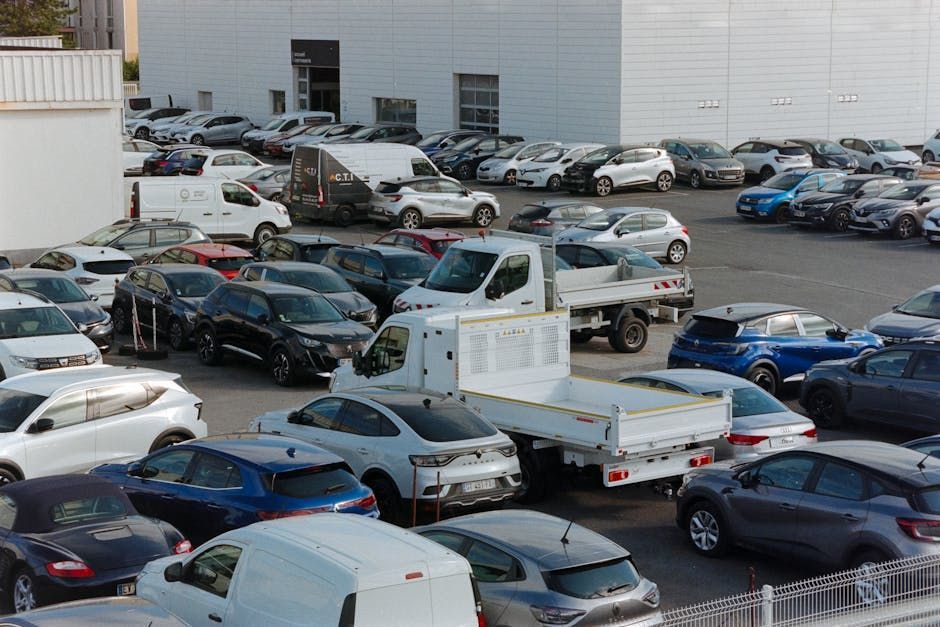
This is the quiet crisis of the British holiday park. The car park is full of EVs. The customers expect to plug in. And the electrical infrastructure on most rural sites was specified back when the heaviest load was a Frigidaire fridge and a 2kW immersion heater.
The DNO Answer That Takes Longer Than a Child Grows Up
Ring up the local DNO and ask for the supply upgrade you actually need to put in eight 22kW chargers, then watch what happens. The first answer is usually a quote running into hundreds of thousands of pounds, because rural three phase is a long way away and the cable has to come through fields, under tracks, around protected hedgerows and across drainage that nobody has mapped since the 1960s. The second answer is the timeline. Eighteen months at best. Three years at worst. Sometimes four if the substation needs reinforcement.
You are running a caravan park. You do not have eighteen months. You barely have eighteen weeks before the next bank holiday weekend lands.
There is also the small matter of planning. A lot of these sites sit in AONBs, national parks or conservation areas. Dig a trench across a Site of Special Scientific Interest and the council will be on you before the JCB has cooled down. The customers, by the way, do not care about any of this. They care that they cannot charge their car.
Why Static Rapid Chargers Do Not Fit a Holiday Park
Even if you could get the grid upgrade through, the economics of a static rapid charger on a caravan site do not work. Utilisation is brutally seasonal. Six weeks of high summer, a couple of bank holidays, a handful of half terms, and the rest of the year you are paying to run a steel box that nobody is using. The maintenance contract, the network fees, the energy standing charges, all of it ticks over whether anyone is plugging in or not.
Holiday parks need infrastructure that flexes with occupancy. They need it deployed without ground works, because the council will not approve the ground works in time and the ground works themselves cost more than the chargers. They need it now, not in 2028.
FreeMe: a Charging Station That Arrives on a Low Loader
FreeMe is PowerMe's containerised off grid charging system. It comes in 8ft, 10ft, 20ft and 40ft sizes. The biggest unit holds 3MWh of battery storage, the smallest 150kWh, and they all charge from whatever supply the site already has, including a single 32 amp commando socket if that is genuinely all there is. The battery does the heavy lifting. The grid, such as it is, just keeps the buffer topped up overnight when nothing is plugged in.
Crucially, no ground works. The container drops onto a hardstanding area, gets connected to the existing supply with a length of armoured cable, and is live by the end of the afternoon. There is no trench across the site. There is no DNO application. There is no wayleave negotiation with the neighbouring farm.
And because the chemistry is hybrid LTO and LFP rather than the usual LFP only setup, the unit can deliver short bursts of high power without complaining when twelve cars all turn up at the same time on a Saturday afternoon. Which on a holiday park is the only time anyone ever turns up.
The Commercial Model That Suits a Holiday Park
Caravan parks generally do not have a charging infrastructure capex line in their budget. They have lawn mowers and septic tanks and replacement Wi Fi access points, and a decent year's profit gets reinvested in shower blocks and landscaping. So PowerMe runs two models. You can lease the unit on a fixed monthly rate against the asset, or you can hand the site over to PowerMe under Energy as a Service, in which case we fund the unit, install it, operate it, take the energy revenue and pay the park a profit share for hosting it.
For most holiday parks, EaaS is the right answer. No capex, no operational headache, a small revenue line on top of the pitch fee, and a charging facility the site can advertise on the booking page. Park operators already know that "EV charging on site" is now a filter on every search engine and on Pitchup and on the Caravan and Motorhome Club site. Without it, the modern caravanner who has just spent £50,000 on a Hymer with a tow capacity that requires a battery electric tow car is booking somewhere else.
The Bank Holiday Monday Point
The next May bank holiday weekend is twenty days away. Every decent caravan park in the country is already fully booked. A meaningful share of those bookings include at least one EV. And the grid, which was never going to cope, is not going to cope this year either.
The good news is you no longer have to wait for it.
Get in touch: info@powerme.energy / +44 20 8050 8198 / www.powerme.energy