Silverstone, Wembley, Goodwood: The EV Charging Surge Problem

James Foster • May 6, 2026

Share this article

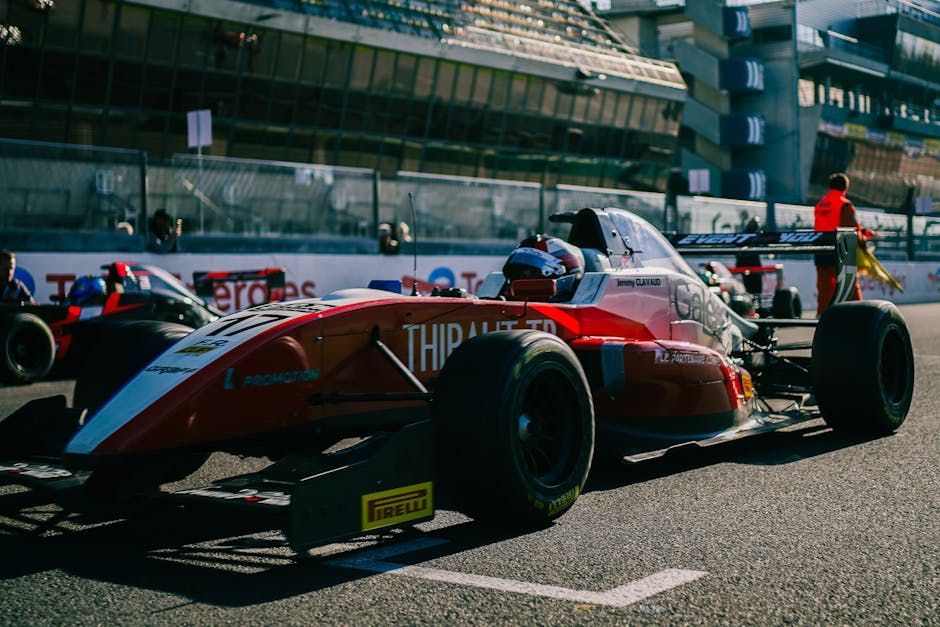
So picture the British Grand Prix at Silverstone. Three days, 480,000 spectators, the biggest sporting event in the country by attendance. Now picture that same crowd in 2030 when half of them turn up in EVs and would quite like enough charge to get home without having to sleep in the village hall in Brackley.

The maths is brutal. Even if a fifth of those cars need a top up, that is fifty thousand vehicles wanting maybe 30kWh each. One and a half gigawatt hours of energy demand piled into a Sunday afternoon. The local grid in Northamptonshire was put in for a few villages and a service station. It was never designed to feed a small city for one weekend a year.

The static charger trap

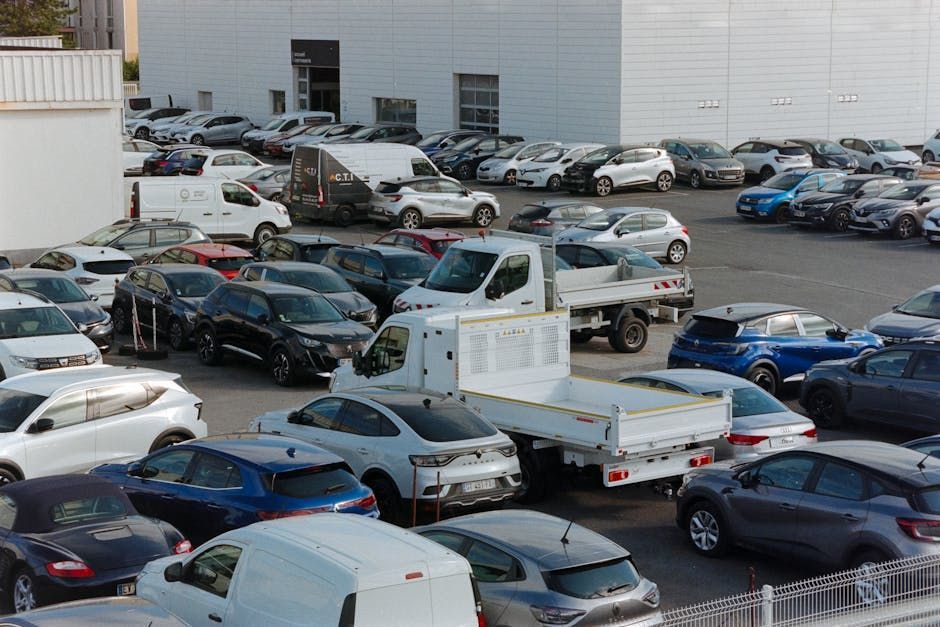
Here is the thing. Most stadia and racecourses, when they finally get round to thinking about EV infrastructure, end up being sold a fixed charger setup by one of the big networks. They pay for ground works. They pay for a DNO upgrade that nobody warned them would take eighteen months and cost more than the chargers themselves. They end up with a bank of chargers that sit idle 350 days a year and fall over on the days that actually matter.

Goodwood Festival of Speed runs four days. The Cheltenham Festival runs four days. Aintree Grand National runs three days. Wembley hosts maybe forty event days out of 365. Twickenham is similar. The economics of fixed infrastructure on a venue that runs at five percent utilisation are, to put it politely, miserable.

What surge demand actually looks like

The pattern at every major venue is the same. Cars roll in over four hours, sit empty for six, then leave in a rush over two. Static charging cannot serve that load shape. You either over spec for the surge and waste capital the rest of the year or you under spec and watch furious customers post on social media about the queue at the charger.

Even at venues that are not strictly event led, like a Premier League ground hosting a midweek European tie or a music festival turning a field into a temporary city for the weekend, the surge is unforgiving. You do not need year round capacity. You need event day capacity that arrives on Friday and is gone by Monday.

TitanMe Max: rent the capacity, do not bury it

This is exactly what TitanMe Max was designed for. A 100kWh van mounted unit putting out 200kW of DC charging that drives onto site, parks where you need it, charges cars all weekend then drives off when the punters have gone home. No ground works. No DNO application. No marketing manager having to explain to the board why the static chargers are losing money 320 days a year.

For a Goodwood or a Silverstone you bring in a fleet of TitanMe Max units, position them across the public car parks and charge as many cars as you have units running. When the event finishes they go back to the leasing pool and roll on to the next venue. You pay for what you use. You do not capitalise infrastructure that sits idle.

For venues that do have genuine everyday demand from members or training facilities, FreeMe drops in containerised. No trenching, no DNO upgrade, off grid capable using the integrated battery to flatten whatever grid input you can get on site. Stadium staff car parks, racecourse public car parks, conference centre hardstanding, all get a working charging hub in days not years.

How the commercials actually stack up

Two ways to fund this. Lease the kit on a monthly basis that lines up with the event calendar (the standard leasing model) and write the cost off as event opex rather than capex sat on the balance sheet. Or hand the site over for Energy as a Service where PowerMe funds, deploys, owns and operates the charging while you take a profit share for providing the land. EaaS suits venues that want zero capex and a clean revenue line on what was previously dead tarmac.

The point is the funding model has to fit the demand. A racecourse that runs eighteen days a year does not need a fixed infrastructure spend that punishes it for the other 347 days. It needs surge capacity that arrives, performs and leaves. That is what mobile charging on Toshiba SCiB LTO chemistry actually does. Recharges in fifteen minutes between cars, cycles all weekend, rolls back in for the next event.

You know what is going to happen otherwise. Every year a major event will produce a queue story. Every year somebody will write that EVs are not ready. Every year venues will get blamed for not solving a problem the grid was never going to solve for them. Surge demand is not a failure of EVs. It is a failure of imagination from the people selling charging kit.

Get in touch: info@powerme.energy / +44 20 8050 8198 / www.powerme.energy

Recent Posts

By James Foster May 24, 2026
Pub estates and hotel car parks have Britain's longest dwell times and almost no working chargers. The containerised FreeMe approach fixes that without trenching.
By James Foster May 23, 2026
Business parks have thousands of staff cars and almost no chargers. PowerMe FreeMe drops in on EaaS so the landlord pays nothing and earns a profit share.
By James Foster May 22, 2026
Exhibition halls fill for one week in twelve. Static EV chargers gather dust between events. Mobile rapids and off-grid containers fix the maths.
By James Foster May 21, 2026
British festivals talk green but burn diesel by the tanker load. LTO battery power finally makes silent, zero-emission festival energy commercially viable.
By James Foster May 20, 2026
UK energy retailers want B2B EV charging revenue but the DNO holds the queue. PowerMe FreeMe and TitanMe Max deploy off grid with no trench, no wait.
By James Foster May 19, 2026
Retail park tenants want EV chargers and the landlord gets the capex bill. PowerMe FreeMe drops in off grid on EaaS, no trench, no DNO, profit share back.
Show More