Council Car Parks: EVs Coming, Capex Gone, Grid Already Maxed

James Foster • May 10, 2026

Share this article

So here is the awkward part of being a council in 2026. You have got an EV uptake forecast that nobody can argue with, the Department for Transport keeps reminding you about LEVI funding deadlines, residents are filing planning enquiries about kerbside charging, and the section 151 officer has just reviewed the capex programme for the next three years and politely told you there is no headroom for a £700,000 charging project at the leisure centre. Right? You know how this goes. Then somebody at the cabinet meeting suggests "what about the car park behind the library", everybody nods, and six weeks later the DNO comes back with a quote, an eighteen month wait and a connection charge that would buy a small fire engine.

Here is the thing. The economics of static EV charging were never built for the public sector. Static charging assumes a developer with a warm balance sheet, a piece of land with a fat grid feed and a horizon long enough to amortise the trench. Councils have one of those three on a good day. The trench alone is often the biggest single line item, and the trench is always the bit that ends up on the front page of the local paper next to a photo of a hole in the ground and an angry shopkeeper saying his footfall has dropped 40 percent.

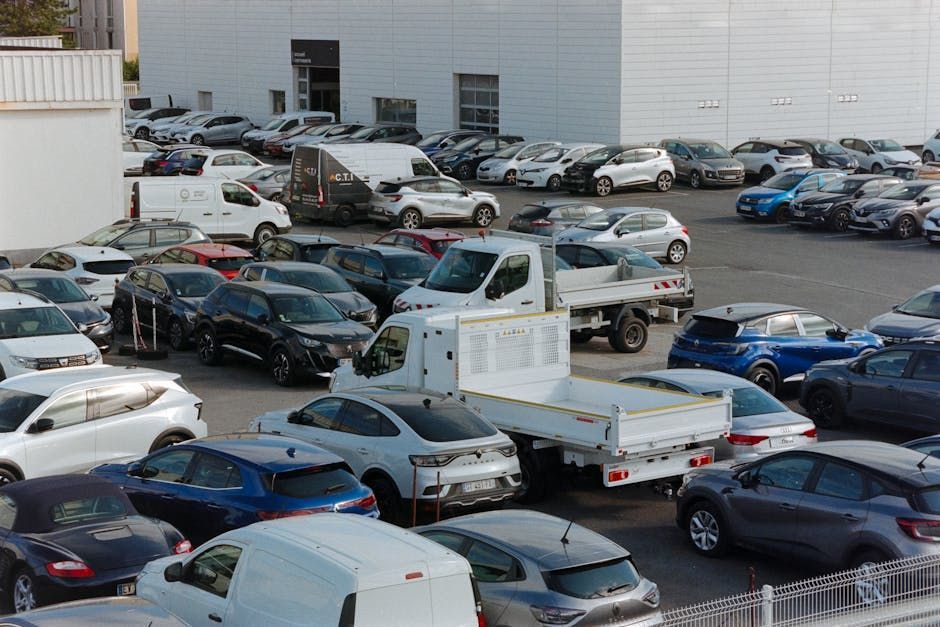
Look at what councils actually need. They need EV charging at the leisure centre car park, the high street pay and display, the park and ride, the depot for the bin lorries that are turning electric whether the council is ready or not, and residents bays for the third of the borough that has no off street parking. Five different sites, five different load profiles, five different grid headaches, five different planning processes. And a capex envelope of zero, because there is no zero on this planet that is more zero than a council capex zero in May 2026.

EaaS Is the Public Sector Model Nobody Built Properly Yet

This is where Energy as a Service stops being a marketing slide and starts being the only commercially honest answer. The council provides the site, PowerMe funds, deploys, owns and operates a containerised FreeMe unit, and the council takes a profit share on every kWh dispensed. No capex line. No capital approval committee. No DNO bill. No trench. No fight with the conservation officer about the cabling route through the Victorian car park. The unit sits on the tarmac, plugs into whatever supply is available, runs off its own LTO and LFP hybrid battery and tops up overnight on cheap power.

For the council finance team this matters more than the technology does. EaaS shows up as a revenue line, not a capital ask. It moves the conversation from "can we afford this" to "how quickly can we replicate it across the other six car parks". The political conversation changes too, because nobody has to defend a £700,000 cheque to the local press when the deal is "the council provides the space, the operator provides everything else, and the council gets a share of the income".

Cornwall, Birmingham, Camden and the Bin Lorry Problem

Take a real example. A unitary authority like Cornwall Council has a fleet of waste collection vehicles slowly turning electric, a depot near Bodmin with a grid feed sized for the year the depot was built, and a LEVI bid that funded the chargers but did not fund the substation upgrade nobody costed properly. The DNO timeline is 2028. The first electric bin lorries are arriving in 2026. So what does the depot manager do? Sit in the dark for two years, hope for divine intervention, or drop in a containerised FreeMe with 350kWh of LTO and LFP buffer that charges six lorries overnight without touching the main feed.

Birmingham, Leeds, Camden, Westminster, every London borough you care to name, the same maths plays out. The grid problem is real. The timeline is real. The political pressure is real. The capex constraint is real. The only thing that needs to change is the procurement model.

Leasing for the Councils That Want to Own It

Some authorities will want the asset on their own books, particularly where the car park is generating decent income already and the political message is "the council is investing in the green transition". Fine. The same FreeMe unit is available on a leasing arrangement, the council pays a fixed monthly figure, owns the energy revenue outright and walks the asset to a different site if the use case changes. Try doing that with a 350kW static charger after you have just dug a 60 metre trench across the car park.

The Question for Councils Right Now

Are you trying to buy chargers, or are you trying to deliver charging? Because those are not the same question. If you are buying chargers you are signing up for capex, capex approval, a connection wait, and a long argument with the highways team about reinstatement. If you are trying to deliver charging, you can have a FreeMe sitting on the leisure centre car park inside a fortnight, a profit share agreement on the desk and a press release that says the council added rapid charging without spending public money.

The shift is not technical. The technology has been on the market for two years. The shift is procurement, mindset and a willingness to stop pretending the grid will arrive in time.

Get in touch: info@powerme.energy / +44 20 8050 8198 / www.powerme.energy

Recent Posts

By James Foster May 24, 2026
Pub estates and hotel car parks have Britain's longest dwell times and almost no working chargers. The containerised FreeMe approach fixes that without trenching.
By James Foster May 23, 2026
Business parks have thousands of staff cars and almost no chargers. PowerMe FreeMe drops in on EaaS so the landlord pays nothing and earns a profit share.
By James Foster May 22, 2026
Exhibition halls fill for one week in twelve. Static EV chargers gather dust between events. Mobile rapids and off-grid containers fix the maths.
By James Foster May 21, 2026
British festivals talk green but burn diesel by the tanker load. LTO battery power finally makes silent, zero-emission festival energy commercially viable.
By James Foster May 20, 2026
UK energy retailers want B2B EV charging revenue but the DNO holds the queue. PowerMe FreeMe and TitanMe Max deploy off grid with no trench, no wait.
By James Foster May 19, 2026
Retail park tenants want EV chargers and the landlord gets the capex bill. PowerMe FreeMe drops in off grid on EaaS, no trench, no DNO, profit share back.
Show More