Forecourt Without the Grid: Adding Ultra-Rapid Charging in Weeks Not Years
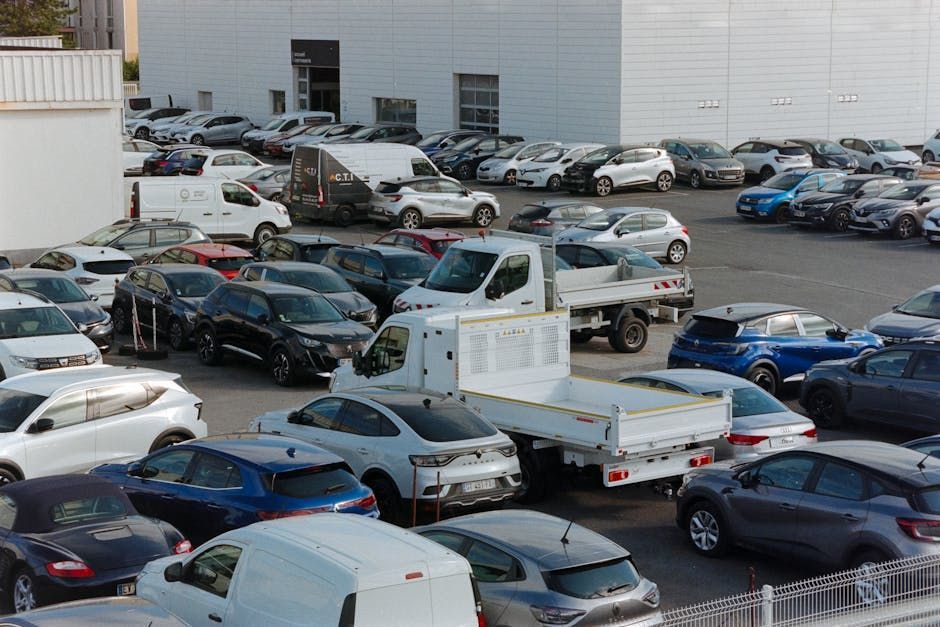
So here is the awkward truth about the British forecourt in 2026. Petrol and diesel volumes are sliding, EV registrations are climbing, and the customer who used to fill up in three minutes now wants to plug in for fifteen and pop into the shop while they wait. The economic prize is right there in front of you. The trouble is the grid says no.
You only have to look at what the big operators are doing to work out where this is heading. MFG is pumping £400 million into ultra-rapid bays. Morrisons is rolling 250 of them into its supermarket estate this year. GRIDSERVE is opening Markham Vale in the summer. Forecourt Trader has been running pieces about new entrants like EV-OG selling drop and go off-grid containers because the rural sites simply cannot get a meaningful grid upgrade in any sensible time frame. The whole market has worked out the same thing: the forecourts that win this decade are the ones that get the chargers in first. The ones that wait for the network operator to come round are still going to be standing in the queue when the customer has already gone elsewhere.
The question is not whether you should be adding ultra-rapid charging. The question is how you do it without a grid upgrade that costs more than the rebuild of the canopy.
What is actually breaking the project
For most forecourt and supermarket sites the chargers themselves are not the expensive bit. The grid connection is. Reinforcement contributions to the DNO can run into hundreds of thousands. Cable runs across a live forecourt are a logistical nightmare. Planning sits on the desk for months. Then the network operator gives you a date in 2027 or 2028 and the project quietly gets shelved.
If you operate twenty sites across a region, multiply that by twenty. Some of them are in towns and might be doable in a window. Plenty of them are rural or semi-rural and simply will not get the supply they need without a substation upgrade that nobody wants to pay for.
This is the bit where most articles tell you to be patient. We disagree.
The off-grid answer that already works
The PowerMe FreeMe range was designed for exactly this scenario. It is a containerised battery hub with built in ultra-rapid chargers, sized from 150kWh in an 8ft footprint up to 3MWh in a full 40ft, with output up to 200kW per head and four heads per unit on the bigger boxes. It uses an LTO and LFP hybrid battery architecture, so the LTO chemistry handles the peak demand at 4C while the LFP carries the bulk capacity, all managed at cell level by the BMS so the system delivers fast charge without burning the cells out. The headline figure that matters: the design life is ten years at standard utilisation.
For a forecourt operator the practical implication is this. You take whatever supply you currently have, even a modest one, and you drip charge the FreeMe overnight or during the quiet hours. When the customer turns up at lunchtime and wants 50kWh in fifteen minutes, the FreeMe delivers it. You are no longer constrained by the grid at peak. You are constrained by the size of the battery, which we can scale to suit the throughput.
There are no ground works. There is no trenching across the live forecourt. There is no DNO queue. The unit drops onto the existing surface, plugs into your existing supply and starts trading. Installation is measured in hours not weeks.
The numbers that actually move the dial
Two things make this work commercially for a forecourt or a supermarket car park:
- Dwell time spend. A driver charging for fifteen to twenty minutes is a captive customer in your shop, your café, your loo, your meal deal aisle. The ARPU on an EV charging session beats the ARPU on a tank of fuel by a country mile once you factor the basket spend.
- Funding flexibility. PowerMe runs both equipment leasing and Energy as a Service. The leasing model puts the unit on a monthly opex line so the income covers the cost. The EaaS model means we fund, deploy and operate the infrastructure on your site and you take a profit share for hosting. Capex zero. Risk shared. Site monetised.
Either way you are not writing a million pound cheque to the DNO before the first car plugs in.
Why this is urgent
The big retail brands are not waiting. Once they have rolled their estates the customer expectation shifts. A driver who has charged at a Morrisons in Macclesfield does not then accept a forecourt in the next town that has no charging. They drive past. The economics of a forecourt without ultra-rapid charging in 2027 are going to look uncomfortably like the economics of a phone box.
The good news is the kit exists, the funding exists and the deployment can start now. The bad news is everyone else has worked that out too.
If you operate forecourts, supermarket car parks, retail parks or service stations and the grid is the thing standing between you and a charging revenue line, that is precisely the problem we built FreeMe to solve.
Get in touch: info@powerme.energy / +44 20 8050 8198 / www.powerme.energy